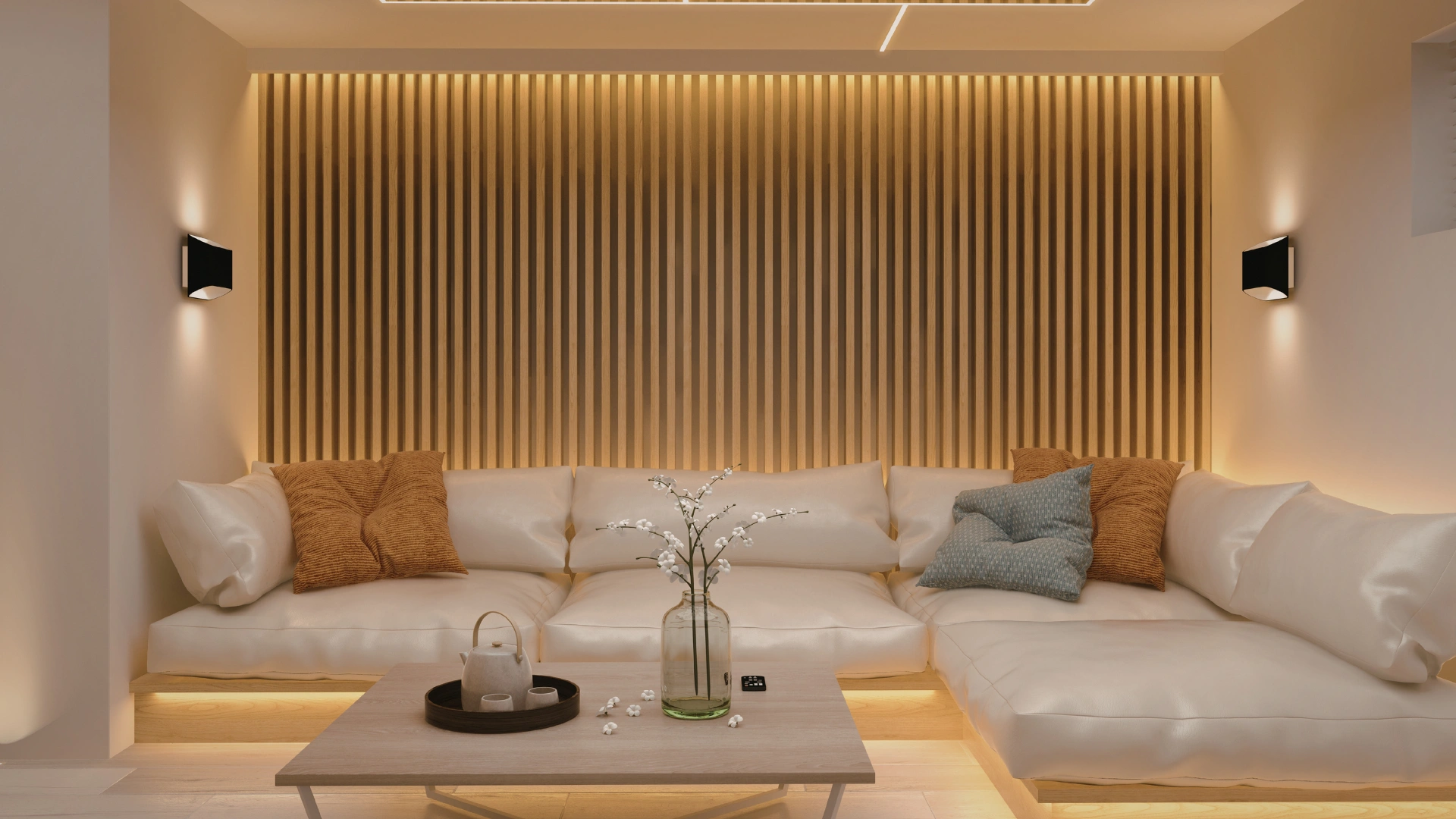
When people think about interior design, they often focus only on aesthetics. They imagine beautiful furniture, attractive wall colors, stylish lighting, and decorative accessories. While visual appeal is certainly important, professional interior design goes far beyond decoration. It is a strategic process that combines creativity, functionality, space planning, technical expertise, and project management to create spaces that improve everyday living and working experiences.
Whether it is a home, office, retail store, restaurant, or commercial property, the quality of interior design directly affects comfort, productivity, efficiency, and long-term value. Many property owners initially consider handling interior design themselves or hiring unqualified contractors to save money. However, they often discover that poor planning leads to costly mistakes, wasted space, design inconsistencies, and unexpected expenses.
As customer expectations, lifestyle needs, and property investments continue to evolve, professional interior design has become an essential factor in achieving successful outcomes.
This is why many homeowners and businesses choose experienced Interior Designers in Madipakkam when looking for solutions that combine creativity, practicality, and lasting value.
Understanding Professional Interior Design
Professional interior design is much more than selecting colors and furniture.
A qualified interior designer evaluates:
- Space utilization
- Functional requirements
- User behavior
- Lighting conditions
- Material selection
- Storage needs
- Budget planning
- Design consistency
The objective is to create an environment that is both visually appealing and highly functional.
Professional designers consider how people interact with a space daily. Every design decision is made with purpose, ensuring that the final result supports comfort, efficiency, and long-term usability.
Better Space Planning and Functionality
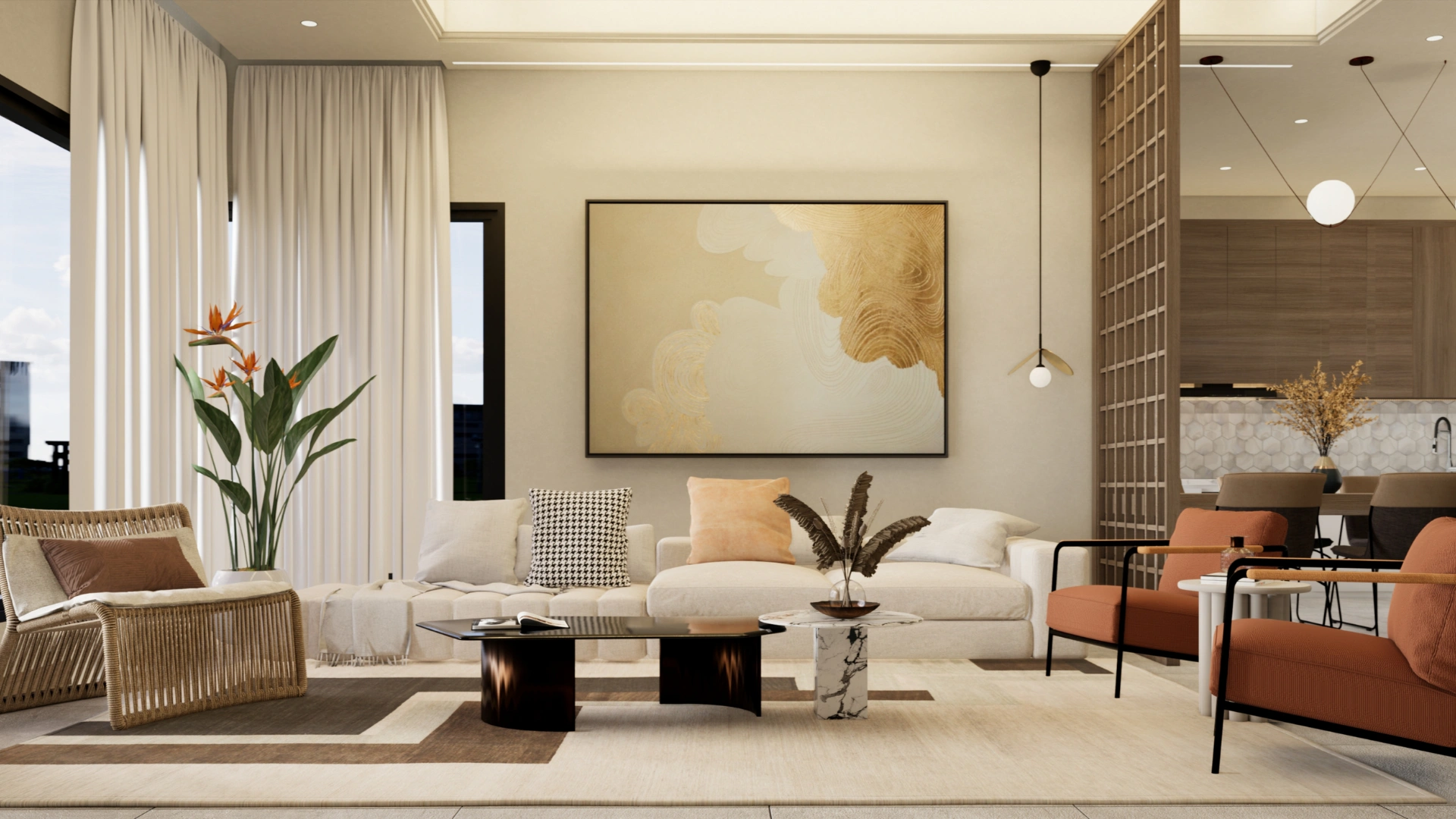
One of the most significant advantages of hiring a professional interior designer is efficient space planning.
Many homeowners and business owners struggle with:
- Wasted space
- Poor furniture placement
- Insufficient storage
- Congested layouts
- Inefficient room flow
Professional designers analyze the available area and create layouts that maximize every square foot.
For example, in urban cities where apartments are becoming more compact, effective space planning can make a small home feel larger and more comfortable.
Similarly, commercial spaces benefit from layouts that improve customer movement, employee productivity, and operational efficiency.
A well-planned space performs better because every element serves a specific purpose.
Read Also: 10 Questions You Must Ask Before Signing an Interior Design Contract
Avoiding Costly Mistakes
Many people believe that hiring a professional designer increases project costs.
In reality, professional design often saves money over the long term.
Without proper planning, property owners frequently encounter problems such as:
- Incorrect material purchases
- Design revisions
- Construction errors
- Furniture mismatches
- Rework expenses
These mistakes can significantly increase the overall project budget.
Professional designers help prevent such issues through careful planning, accurate specifications, and coordinated execution.
Their experience allows them to identify potential problems before they occur, reducing financial risks and project delays.
Access to Industry Expertise
Professional interior designers possess specialized knowledge that goes beyond general design ideas found online.
They understand:
- Material performance
- Durability requirements
- Lighting design principles
- Ergonomic standards
- Construction techniques
- Current design trends
This expertise enables them to recommend solutions that balance aesthetics, functionality, and budget considerations.
Instead of making decisions based on temporary trends, professional designers create spaces that remain practical and visually appealing for years.
Efficient space planning has become increasingly important as urban homes continue to become more compact. Industry research indicates that more than 35% of India’s interior design demand comes from the residential segment, with homeowners increasingly investing in modular kitchens, smart storage solutions, and space-saving furniture to maximize available living space.
Improved Aesthetic Consistency
One common challenge in self-designed projects is maintaining consistency throughout the space.
Individual furniture pieces or decorative items may look attractive independently but fail to work together as a cohesive design.
Professional designers create a unified design language by carefully coordinating:
- Colors
- Textures
- Materials
- Furniture
- Lighting
- Accessories
This consistency creates a polished and sophisticated appearance that enhances the overall experience of the space.
Whether the design style is modern, contemporary, minimalist, traditional, or luxury, professional designers ensure that every element contributes to the intended vision.
Enhanced Property Value
Interior design is an investment that can increase property value.
Buyers and tenants are often willing to pay more for properties that offer:
- Functional layouts
- Modern interiors
- High-quality finishes
- Efficient storage solutions
- Attractive visual appeal
A professionally designed property stands out in the market and often attracts greater interest from potential buyers or occupants.
For commercial properties, appealing interiors can also improve customer perceptions and strengthen brand image.
Better Material Selection
Material selection is one of the most critical aspects of any interior project.
Professional designers help clients choose materials based on:
- Durability
- Maintenance requirements
- Budget
- Environmental conditions
- Design goals
For example, materials suitable for a family home may differ significantly from those required in a retail store or office environment.
Choosing the wrong materials can lead to frequent repairs, maintenance issues, and premature replacements.
Professional guidance ensures that materials not only look good but also perform effectively over time.
Effective Lighting Design
Lighting has a major impact on how a space looks and feels.
Professional designers understand how to use lighting to:
- Improve visibility
- Create ambiance
- Highlight architectural features
- Enhance productivity
- Increase comfort
They combine various lighting types, including:
- Ambient lighting
- Task lighting
- Accent lighting
- Decorative lighting
The result is a balanced environment that supports both functionality and aesthetics.
Project Management and Coordination
Interior design projects involve multiple professionals, including:
- Contractors
- Carpenters
- Electricians
- Painters
- Fabricators
- Suppliers
Managing these teams independently can be challenging.
Professional interior designers coordinate all project activities, ensuring that work progresses smoothly and according to schedule.
This reduces stress for property owners while improving project quality and efficiency.
Customized Solutions for Individual Needs
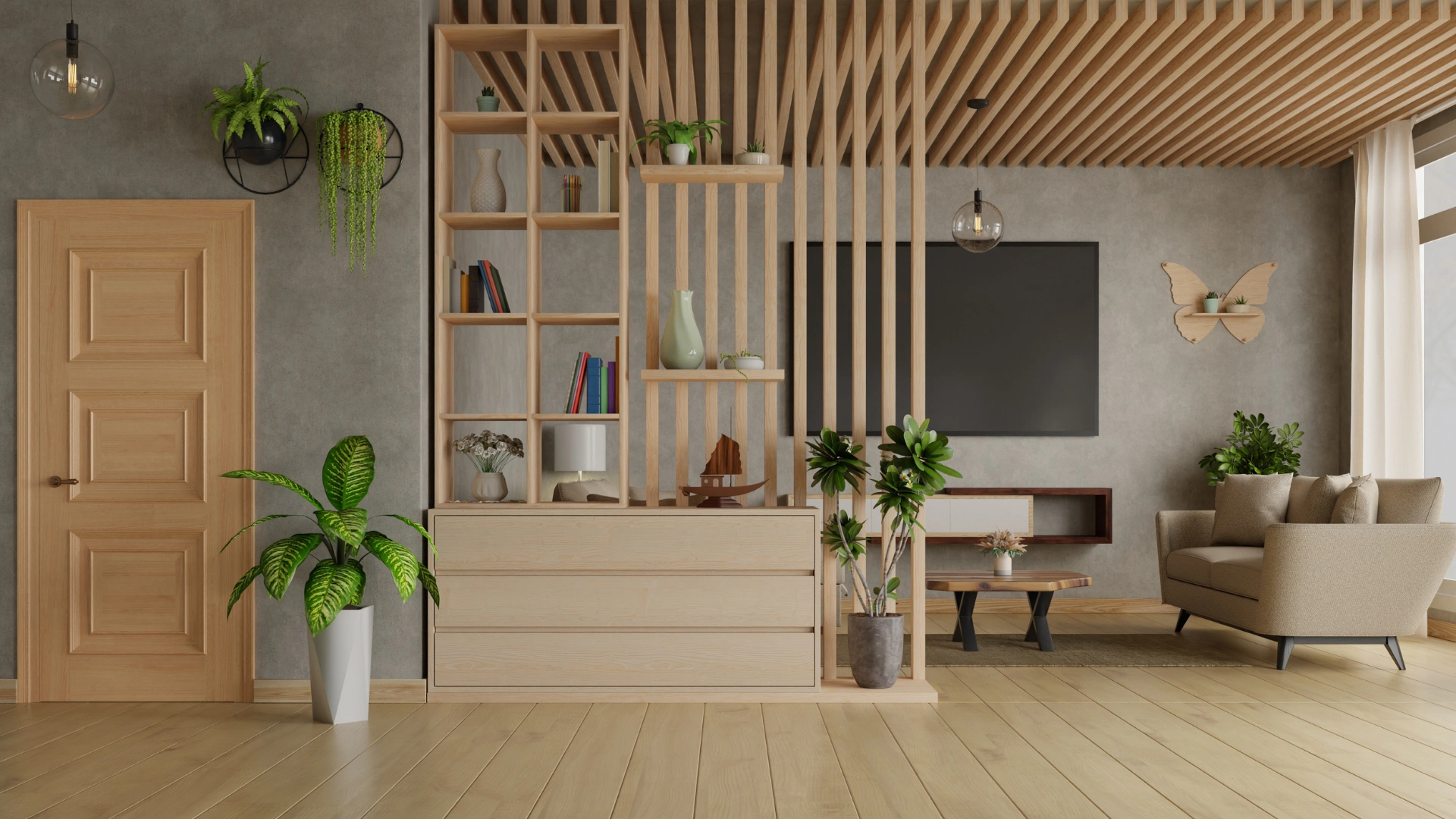
Every client has unique requirements.
Professional designers do not rely on one-size-fits-all solutions. Instead, they create customized designs based on:
- Lifestyle preferences
- Family needs
- Business objectives
- Budget constraints
- Future growth plans
This personalized approach ensures that the final design reflects the specific goals of the client while maximizing comfort and usability.
Long-Term Satisfaction
A professionally designed space continues delivering value long after project completion.
Because every aspect of the design is carefully planned, occupants benefit from:
- Improved comfort
- Better organization
- Enhanced functionality
- Reduced maintenance issues
- Greater visual appeal
These long-term advantages contribute to higher satisfaction and better overall experiences.
Even clients seeking cost-effective solutions often prefer working with Budget Friendly Interior Designers in Chennai because professional planning helps maximize returns on every investment made during the project.
Conclusion
Professional interior design delivers better results because it combines creativity with strategic planning. Rather than focusing solely on appearance, professional designers create spaces that are functional, efficient, comfortable, and visually cohesive.
From optimizing layouts and selecting suitable materials to managing projects and increasing property value, professional interior design provides advantages that extend far beyond decoration. It helps eliminate costly mistakes, improves daily living experiences, and ensures that every element serves a meaningful purpose.
As India’s interior design industry continues to grow rapidly, more homeowners and businesses are recognizing the value of professional expertise. Investing in professional interior design is not simply about creating beautiful spaces, it is about creating environments that perform better, feel better, and deliver long-term value for years to come.