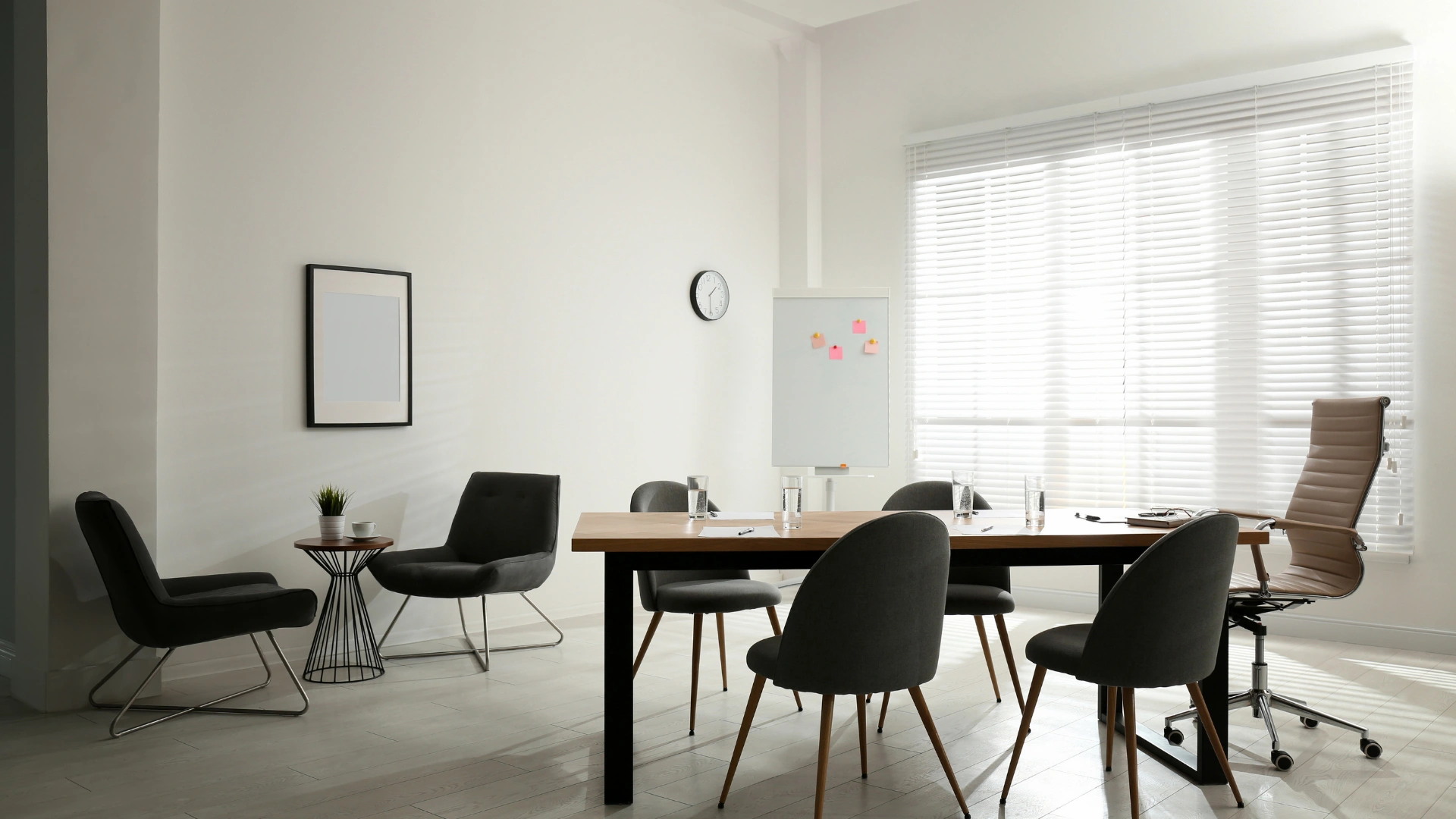
Meeting rooms are one of the most important spaces in every corporate office. Whether it is a client presentation, team discussion, brainstorming session, or strategic planning meeting, the meeting room plays a major role in improving communication and decision-making.
Modern businesses no longer use meeting rooms only for formal discussions. Today, these spaces are designed to encourage creativity, collaboration, and productivity. As hybrid working becomes more common, companies are also creating meeting rooms that support both in-office employees and remote participants.
A well-designed meeting room creates a professional impression for clients while helping employees stay engaged during meetings. Everything from furniture and lighting to technology and acoustics contributes to the overall experience.
If you are planning to renovate or build a new office, investing in a modern meeting room should be a priority. Working with experienced Corporate Interior Designers in Chennai can help businesses create meeting spaces that are both functional and visually appealing.
1. Choose the Right Room Layout
The layout of a meeting room should match its purpose. Different meeting styles require different seating arrangements.
Some popular layouts include:
- Boardroom style for executive meetings
- U-shaped layout for presentations
- Classroom style for training sessions
- Circular seating for brainstorming
- Flexible modular seating for multi-purpose use
Choosing the correct layout improves communication and allows everyone to participate comfortably.
2. Invest in Comfortable Furniture
Employees often spend several hours in meetings. Comfortable furniture improves concentration and reduces fatigue.
Choose:
- Ergonomic chairs
- Spacious conference tables
- Adjustable seating
- High-quality finishes
- Durable materials
Comfortable furniture also creates a more professional appearance when clients visit your office.
3. Use Natural Lighting Whenever Possible
Natural light creates a positive working environment. Meeting rooms with large windows feel more spacious and welcoming.
Benefits of natural lighting include:
- Better employee mood
- Reduced eye strain
- Lower electricity consumption
- Improved productivity
If natural lighting is limited, use warm LED lighting that provides even brightness without glare.
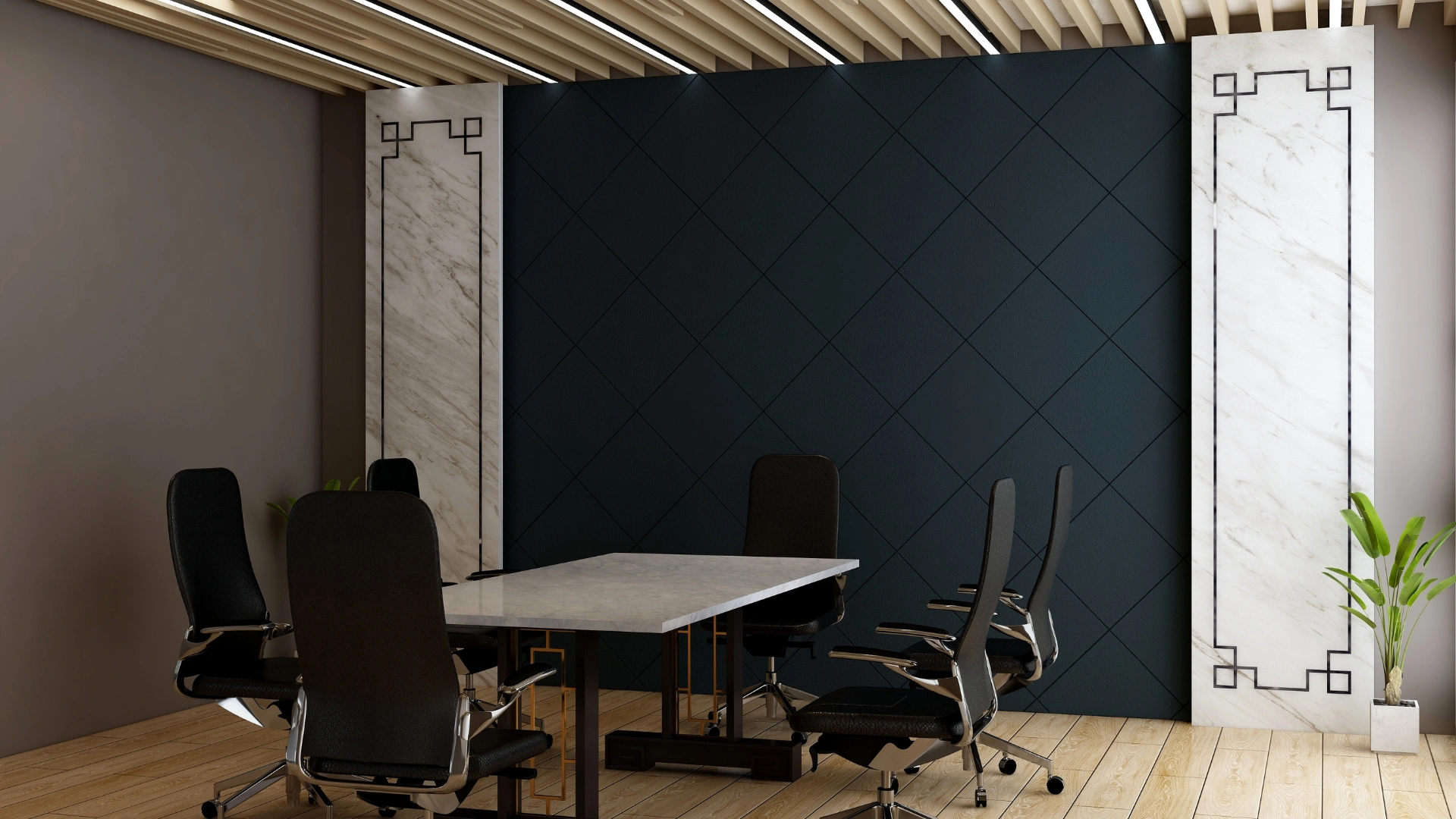
4. Focus on Acoustic Design
Poor acoustics can make meetings difficult, especially during online conferences.
Good acoustic solutions include:
- Acoustic wall panels
- Soundproof doors
- Carpet flooring
- Fabric wall finishes
- Acoustic ceiling tiles
These materials reduce echoes and outside noise, making conversations much clearer.
5. Integrate Smart Technology
Modern meeting rooms should support digital collaboration.
Essential technology includes:
- High-definition displays
- Wireless screen sharing
- Video conferencing systems
- High-speed Wi-Fi
- Interactive smart boards
- Quality microphones and speakers
Technology should make meetings easier, not more complicated.
6. Create Hybrid Meeting Spaces
Many organizations now operate with hybrid teams. This means some employees attend meetings from the office while others join remotely.
A hybrid meeting room should include:
- Wide-angle cameras
- Noise-cancelling microphones
- Multiple display screens
- Stable internet connection
- Video conferencing software compatibility
Hybrid-ready rooms ensure every participant has an equal meeting experience.
7. Select Professional Color Schemes
Colors influence workplace productivity and emotions.
Popular meeting room colors include:
- White for simplicity
- Grey for professionalism
- Blue for focus
- Green for creativity
- Beige for warmth
Avoid overly bright colors that may distract employees during discussions.
8. Add Green Elements
Indoor plants improve air quality and create a refreshing atmosphere.
Suitable plants include:
- Snake Plant
- Peace Lily
- Areca Palm
- ZZ Plant
- Money Plant
Greenery also makes meeting rooms more welcoming for visitors.
9. Ensure Proper Air Ventilation
Fresh air is essential for productive meetings.
Good ventilation helps:
- Maintain comfortable temperatures
- Reduce fatigue
- Improve concentration
- Increase indoor air quality
Modern HVAC systems combined with proper airflow make meeting spaces healthier and more comfortable.
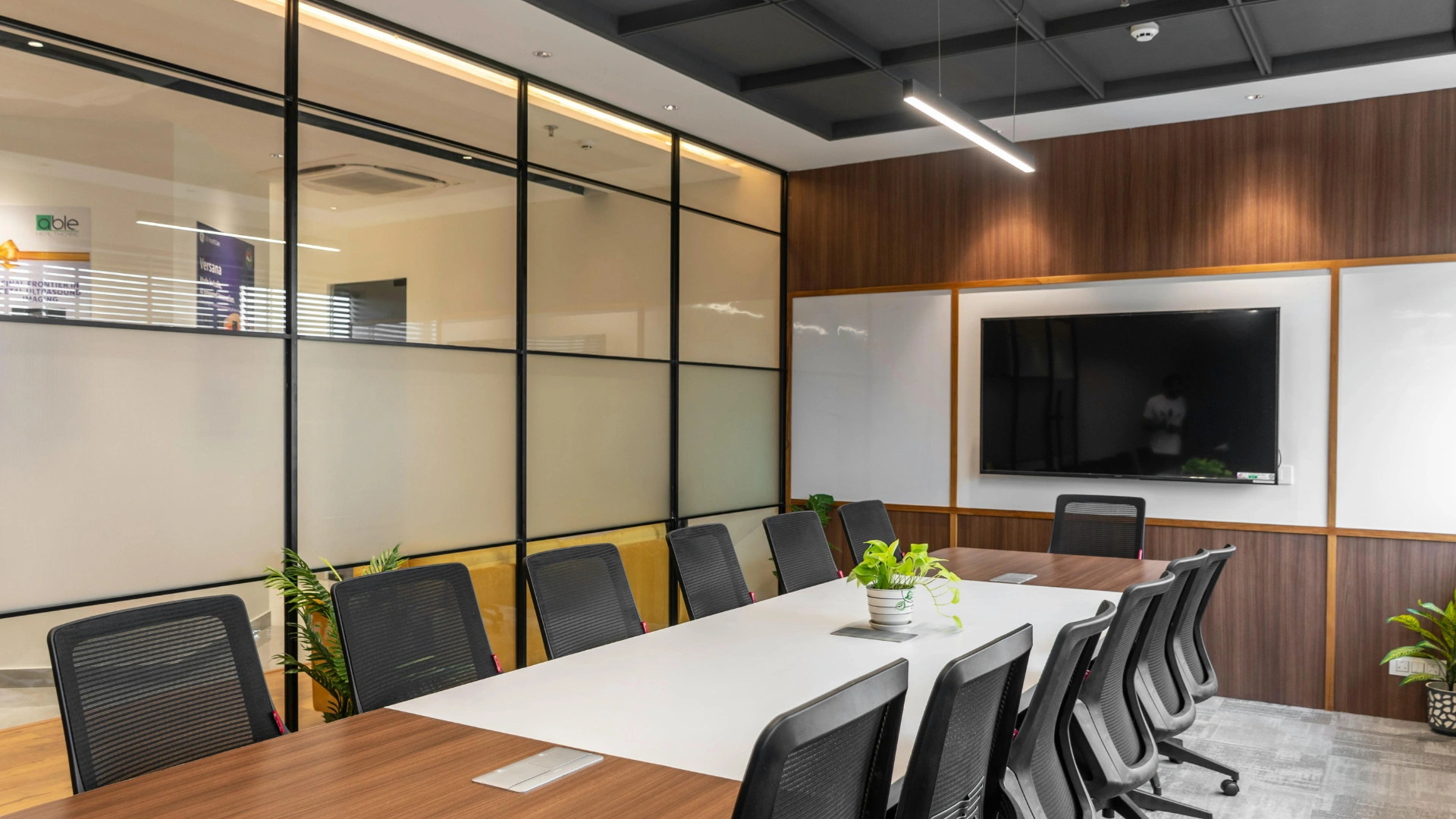
10. Provide Adequate Storage
Meeting rooms should remain clean and organized.
Storage solutions may include:
- Built-in cabinets
- Hidden storage units
- Charging stations
- Cable management systems
- Document organizers
A clutter-free environment helps employees stay focused.
11. Brand the Meeting Room
Your meeting room should reflect your company’s identity.
Simple branding ideas include:
- Company logo
- Brand colors
- Inspirational quotes
- Achievement displays
- Corporate artwork
Professional branding creates a lasting impression on clients and visitors.
12. Make the Space Flexible
Business needs change over time.
Flexible meeting rooms can include:
- Foldable furniture
- Mobile whiteboards
- Modular tables
- Movable partitions
These features allow one room to serve multiple purposes throughout the day.
13. Improve Lighting Layers
Instead of using only ceiling lights, combine different lighting options.
Examples include:
- Ceiling LED panels
- Pendant lighting
- Accent lighting
- Wall lighting
Layered lighting improves visibility while adding elegance to the room.
14. Add Creative Collaboration Areas
Not every discussion needs a formal conference table.
Modern meeting spaces often include:
- Lounge seating
- Soft sofas
- Standing discussion tables
- Collaboration walls
- Writable glass boards
These areas encourage creativity and informal discussions.
15. Prioritize Accessibility
Meeting rooms should be accessible to everyone.
Consider:
- Wide entrances
- Wheelchair-friendly layouts
- Easy-to-use technology
- Comfortable seating arrangements
- Proper aisle spacing
Inclusive design ensures every employee and visitor can participate comfortably.
Why Modern Meeting Room Design Matters
An effective meeting room is more than just a place to gather. It supports communication, teamwork, innovation, and decision-making. Businesses that invest in thoughtful office interiors often see improvements in employee satisfaction, productivity, and client experience.
Whether you operate a startup or a large enterprise, choosing the right design elements helps create meeting spaces that support both current needs and future growth. Companies looking for cost-effective office solutions often partner with the Best Budget Interior Designers in Chennai to achieve stylish and functional meeting rooms without exceeding their budget.
Conclusion
A well-designed meeting room is an investment in your company’s success. From ergonomic furniture and smart technology to proper lighting, acoustics, and flexible layouts, every design decision contributes to better collaboration and productivity. 73% of the companies intend to use physical workplace design as a key focus area to enhance office experience.
As workplaces continue to evolve, meeting rooms must adapt to changing business needs, especially with the rise of hybrid work. By creating comfortable, technology-enabled, and visually appealing meeting spaces, organizations can improve employee engagement, strengthen client relationships, and build a professional work environment.
Whether you are renovating an existing office or designing a new workspace, thoughtful planning will ensure your meeting room becomes a valuable asset that supports innovation, teamwork, and long-term business growth.