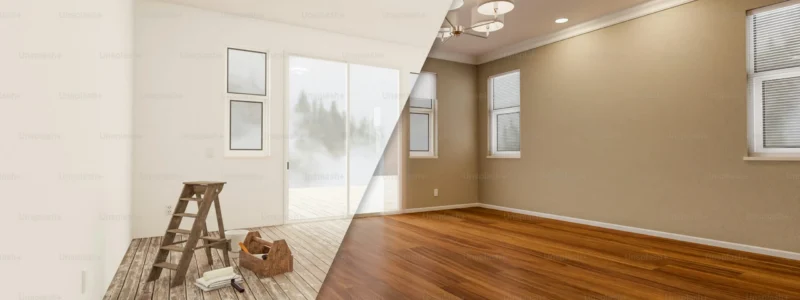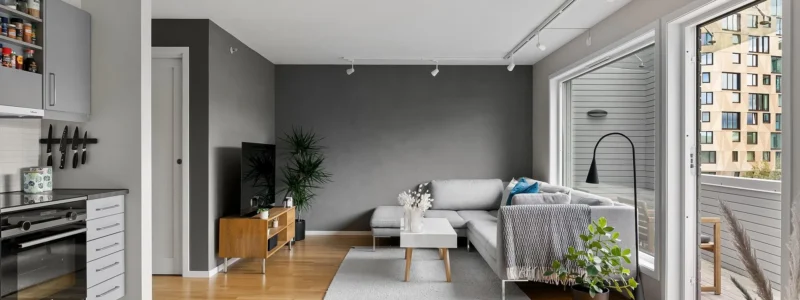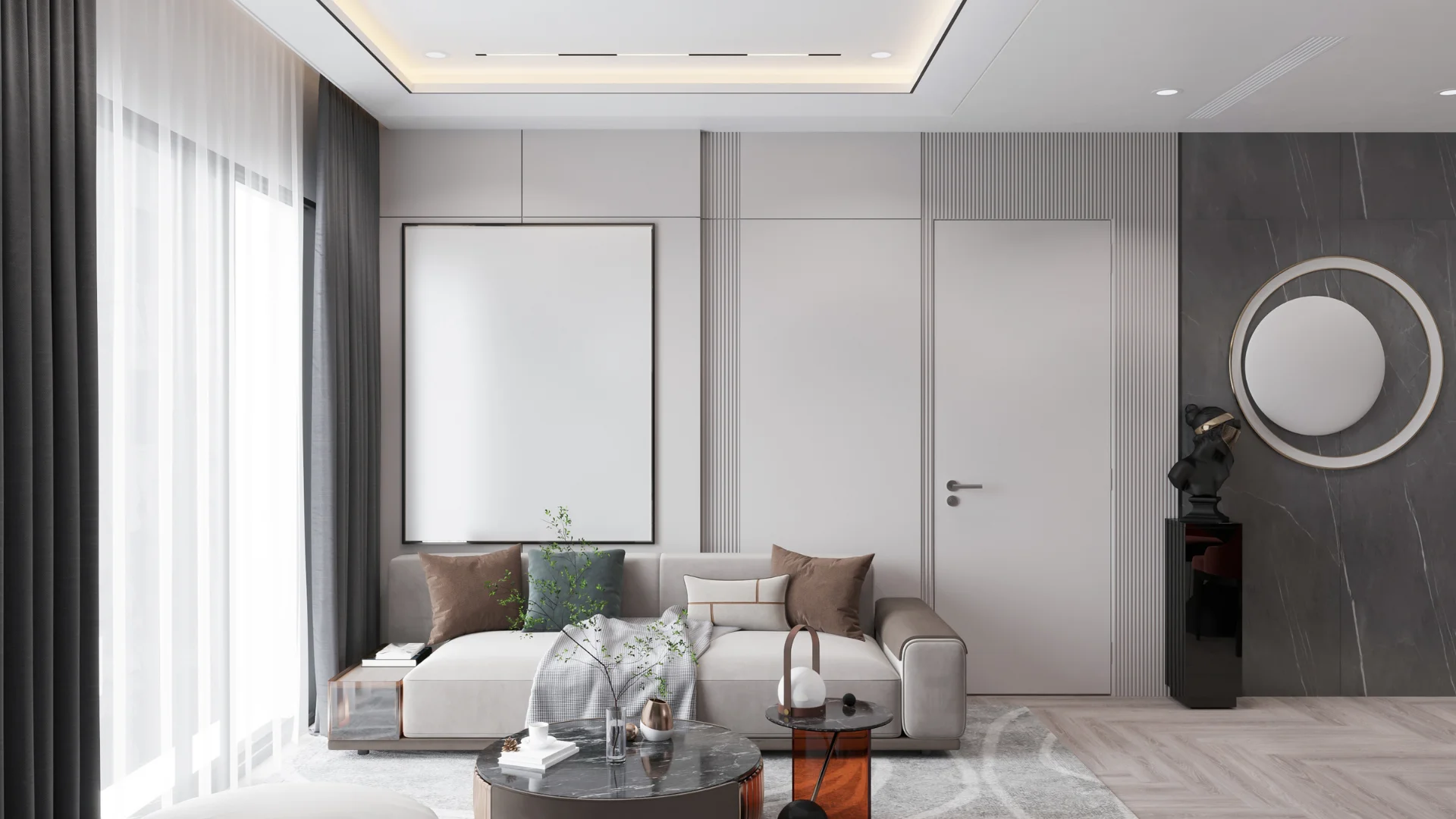
Designing a home is one of the most exciting experiences for any homeowner. Whether you are building a new house, renovating an apartment, or upgrading a single room, professional interior design can completely transform your living space. A well-designed home is not just beautiful but also practical, comfortable, and suitable for your lifestyle.
However, many homeowners are unsure about how to work with an interior designer. Questions about budgeting, timelines, material selection, and communication often create confusion. Understanding the entire design process before starting your project helps avoid delays and unexpected expenses.
Choosing the Best Interior Designers in Chennai For Homes ensures that every stage of your project is handled professionally. From planning layouts to selecting finishes and supervising execution, experienced designers simplify the entire journey while delivering a home that reflects your personality.
This guide explains every step involved in working with professional interior designers, helping you make informed decisions and achieve your dream home.
Step 1: Understand Your Interior Design Requirements
The first step is identifying what you actually need.
Ask yourself:
- Is it a new home or renovation?
- Which rooms need designing?
- What is your preferred style?
- What is your total budget?
- When do you want the project completed?
Creating a clear list of requirements allows the designer to understand your expectations from the beginning.
It also helps avoid frequent design changes during execution.
Step 2: Set a Realistic Budget
Interior design involves multiple expenses including:
- Furniture
- Modular kitchen
- Wardrobes
- False ceiling
- Lighting
- Electrical work
- Painting
- Flooring
- Decorative accessories
A realistic budget allows designers to recommend suitable materials without compromising quality.
Always keep an additional 10–15% as a contingency for unexpected changes.
Step 3: Research Interior Designers
Before finalizing a designer, spend time researching.
Look for:
- Portfolio of completed projects
- Customer reviews
- Years of experience
- Design specialization
- Material quality
- Project timelines
- Warranty support
Reviewing previous work helps you understand whether the designer’s style matches your expectations.
Step 4: Schedule an Initial Consultation
The first consultation is one of the most important meetings.
Discuss topics such as:
- Your lifestyle
- Family requirements
- Storage needs
- Color preferences
- Budget
- Design inspirations
Share reference images if available.
Professional designers carefully understand your vision before creating any concepts.
Step 5: Site Visit and Space Measurement
After understanding your requirements, the design team visits the property.
During the visit they measure:
- Wall dimensions
- Ceiling height
- Door locations
- Window positions
- Electrical points
- Plumbing layouts
Accurate measurements ensure error-free planning and better utilization of every inch of available space.
Step 6: Design Concept Development
Based on your discussion, designers prepare initial concepts.
This usually includes:
- Floor plans
- Furniture layouts
- Mood boards
- Color combinations
- Material suggestions
- Lighting concepts
Modern interior firms often provide 3D visualizations that help clients see how the finished home will look before work begins.
This stage allows modifications without increasing execution costs.
Step 7: Material Selection
Choosing materials is one of the most exciting parts of the project.
You’ll select:
- Laminates
- Veneers
- Tiles
- Paint shades
- Wallpapers
- Fabric
- Countertops
- Hardware
- Lighting fixtures
Experienced designers recommend durable materials suitable for Chennai’s climate while balancing aesthetics and maintenance.
Quality materials significantly increase the lifespan of interiors.
Step 8: Finalize Budget and Project Timeline
After approving the design, the final quotation is prepared.
The quotation generally includes:
- Scope of work
- Material specifications
- Labour charges
- Timeline
- Payment schedule
- Warranty details
Reading every detail carefully avoids misunderstandings later.
Ensure everything discussed verbally is documented in the agreement.
Step 9: Project Execution Begins
Once approvals are complete, actual work starts.
Typical execution stages include:
- Civil work
- Electrical modifications
- Plumbing adjustments
- False ceiling
- Painting
- Carpentry
- Modular installations
- Flooring
- Lighting installation
Professional project managers coordinate multiple teams to ensure smooth execution.
Regular site inspections maintain quality standards.
Also Read: Why Chennai Homeowners Are Choosing Custom Interior Packages?
Step 10: Monitor Progress Through Regular Updates
Good communication plays a major role in successful projects.
Most professional firms provide:
- Weekly updates
- Site photographs
- Progress reports
- Material approvals
- Timeline tracking
This keeps homeowners informed without requiring frequent site visits.
Prompt communication also helps resolve issues before they become major problems.
Step 11: Final Inspection
Before handing over the home, conduct a detailed inspection.
Check:
- Furniture finishing
- Cabinet alignment
- Paint quality
- Electrical fittings
- Door operation
- Drawer movement
- Lighting
- Plumbing fixtures
Prepare a small snag list if any corrections are needed.
Professional designers complete these corrections before project closure.
Step 12: Post-Completion Support
Good interior firms continue supporting clients even after project completion.
Services may include:
- Warranty support
- Hardware replacement
- Minor adjustments
- Maintenance guidance
- Future upgrades
Long-term customer support reflects a company’s commitment to quality.
Tips for a Smooth Interior Design Experience
Working with professionals becomes much easier when homeowners actively participate in the process.
Some useful tips include:
- Be honest about your budget.
- Avoid making frequent design changes after work begins.
- Approve materials on time.
- Trust professional recommendations.
- Keep communication clear.
- Visit the site during important milestones.
- Document all approvals through email or written communication.
These practices help reduce delays and improve project quality.
Common Mistakes to Avoid
Many homeowners unintentionally create delays during their projects.
Avoid these common mistakes:
- Choosing only based on the lowest price.
- Ignoring quality of materials.
- Skipping written agreements.
- Making last-minute layout changes.
- Not discussing maintenance requirements.
- Overlooking storage planning.
- Delaying payment approvals.
Proper planning saves both time and money.
Why Professional Interior Designers Add Value
Professional designers offer much more than decoration.
They help with:
- Better space planning
- Functional layouts
- Efficient storage
- Proper lighting
- Material expertise
- Vendor coordination
- Budget management
- Quality control
- Timely completion
Their experience helps homeowners avoid costly mistakes while achieving aesthetically pleasing and practical interiors.
Working with experienced Home Interior Designers in Chennai ensures every detail from concept to execution is professionally managed, resulting in a home that balances beauty, comfort, and functionality.
According to a recent report, based on Magicbricks Research, India’s home interiors market is expected to grow from approximately USD 12.33 billion to USD 24.52 billion by 2030, driven by rapid urbanization, increasing disposable incomes, and rising demand for personalized living spaces. The report also notes that well-designed interiors can significantly enhance property value and rental potential.
Conclusion
Working with an interior designer is a collaborative journey that requires planning, communication, and informed decision-making. From defining your requirements and setting a realistic budget to selecting materials and monitoring execution, every step contributes to the success of your project.
Hiring experienced professionals not only saves time but also ensures better space utilization, superior craftsmanship, and long-lasting quality. By following a structured approach and maintaining clear communication throughout the project, homeowners can enjoy a smooth and stress-free interior design experience.
A thoughtfully designed home enhances everyday living, increases property value, and creates a comfortable environment for years to come. Whether you are designing your first home or renovating an existing one, partnering with skilled professionals is one of the best investments you can make for your dream living space.