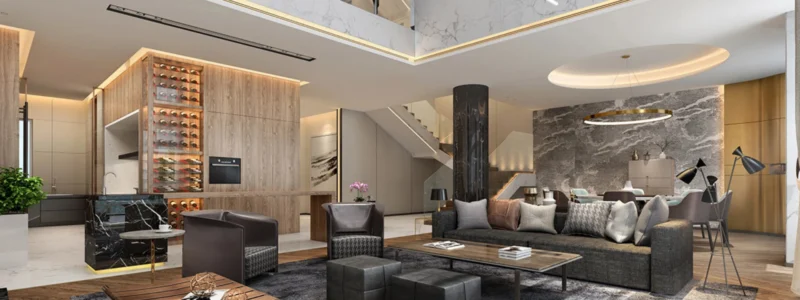
The modern workplace is no longer just a place where employees complete their daily tasks. Today, offices are designed to improve productivity, encourage collaboration, support employee well-being, and strengthen a company’s brand identity. A well-planned office environment can increase employee satisfaction, reduce stress, improve communication, and help businesses achieve better results.
Businesses looking to improve productivity and employee satisfaction often rely on Corporate Interior Designers in Chennai to create workspaces that combine functionality, comfort, and modern design. A thoughtfully designed office not only enhances daily operations but also strengthens collaboration, supports employee well-being, and reflects the company’s brand identity.
Whether you are setting up a new office or renovating an existing workspace, understanding the key principles of workplace design can help you build an environment where employees perform at their best.
1. Start with Smart Space Planning
Organizing the Workplace for Better Workflow
Every high-performing office begins with effective space planning. A cluttered office reduces productivity, while a well-organized layout improves workflow and movement.
Before selecting furniture or decorative elements, evaluate:
- Number of employees
- Team collaboration needs
- Private work requirements
- Future expansion plans
- Visitor and client areas
A balanced office should include:
- Individual workstations
- Meeting rooms
- Collaborative spaces
- Quiet focus areas
- Breakout zones
- Reception area
Proper planning ensures every square foot serves a meaningful purpose.
2. Maximize Natural Light
Creating a Bright and Comfortable Office
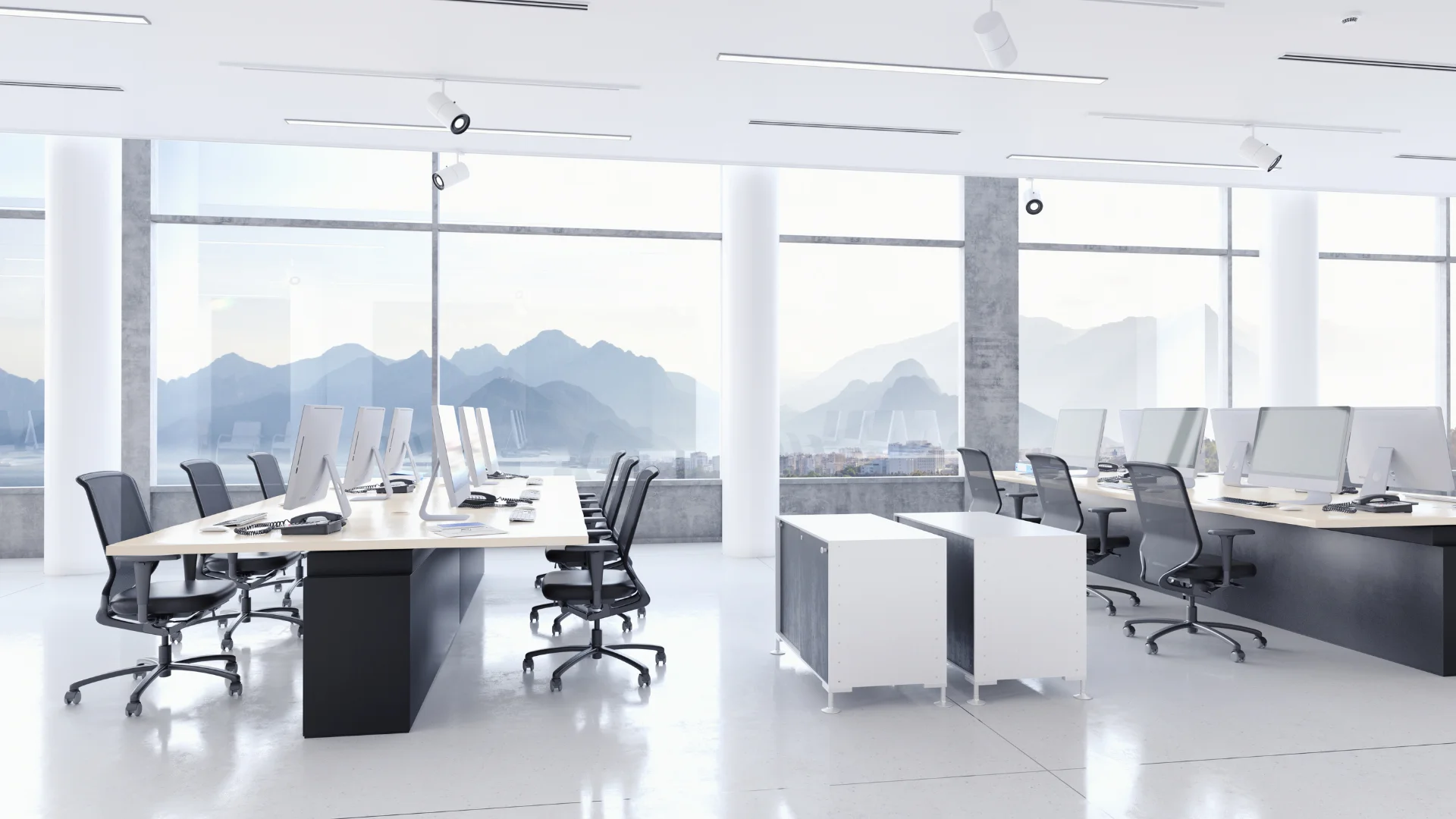
Natural light is one of the most valuable elements in workplace design. Employees working in naturally lit environments often feel more energetic, focused, and motivated throughout the day.
Benefits include:
- Better concentration
- Reduced eye strain
- Improved mood
- Increased productivity
- Lower electricity consumption
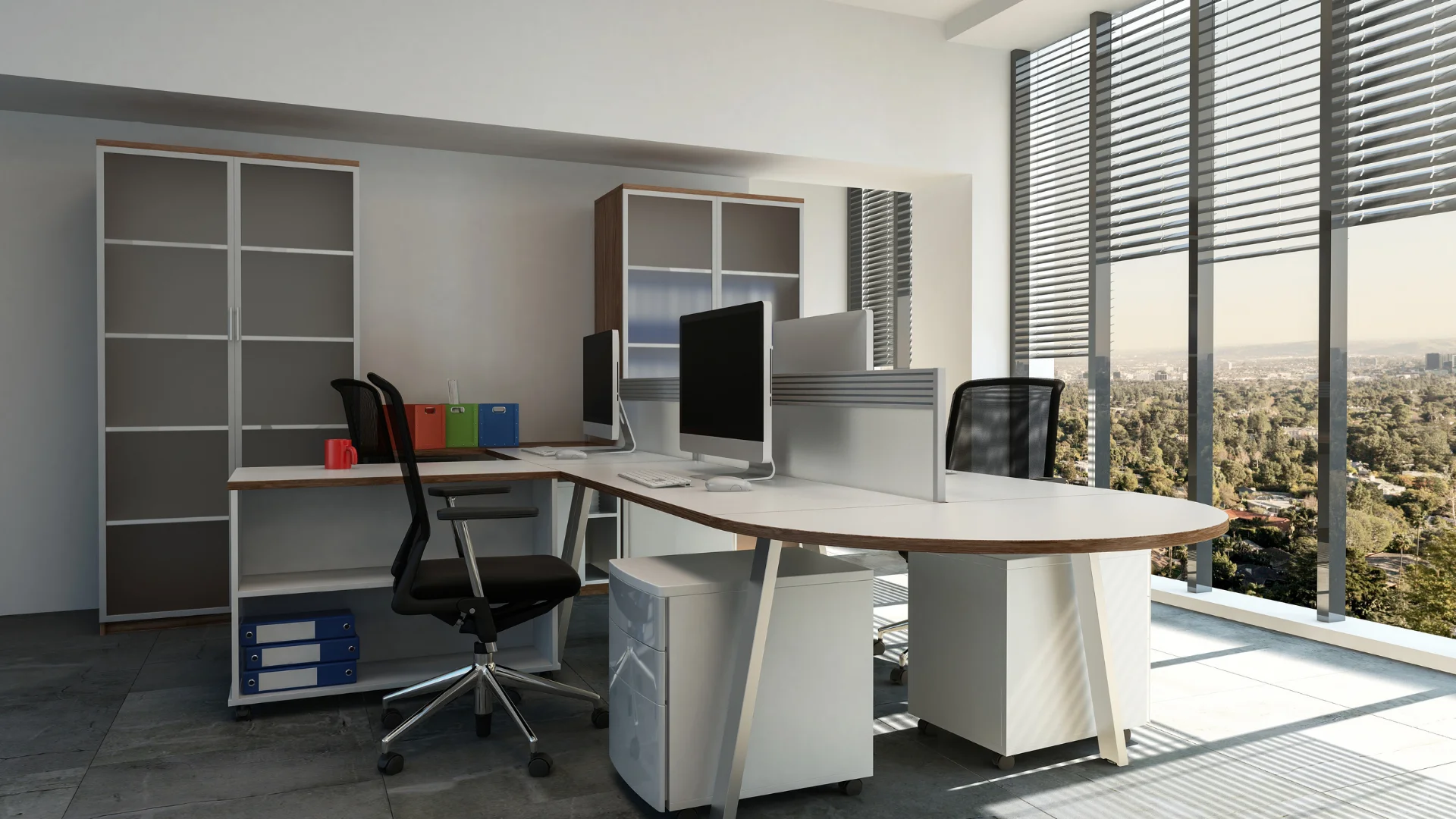
Large windows, glass partitions, and open layouts allow daylight to spread across the office without making spaces feel enclosed.
3. Invest in Ergonomic Furniture
Supporting Employee Comfort and Posture
Employees spend several hours sitting at their desks every day. Poor furniture can cause discomfort, fatigue, and long-term health issues.
Essential ergonomic features include:
- Adjustable office chairs
- Height-friendly desks
- Proper monitor positioning
- Comfortable keyboard placement
- Foot support where necessary
Comfortable employees are more likely to remain productive and engaged throughout the workday.
4. Design for Collaboration
Encouraging Teamwork and Communication
Modern businesses thrive on teamwork. Office layouts should encourage employees to communicate, brainstorm, and solve problems together.
Some effective collaborative spaces include:
- Open meeting zones
- Small discussion rooms
- Informal lounge seating
- Project collaboration areas
- Video conference rooms
However, collaboration should not come at the cost of concentration. Balance open spaces with private work areas.
5. Include Quiet Focus Zones
Providing Spaces for Concentrated Work
While open offices encourage teamwork, employees also need spaces where they can focus without distractions.
Dedicated quiet areas help employees:
- Complete deep-focus tasks
- Attend virtual meetings
- Prepare presentations
- Handle confidential work
- Reduce workplace stress
A balanced office combines collaboration with concentration.
6. Improve Indoor Air Quality
Maintaining a Healthy Indoor Environment
Fresh air plays an important role in workplace performance.
Simple improvements include:
- Better ventilation systems
- Indoor plants
- Air purification
- Regular HVAC maintenance
- Reduced indoor pollutants
Good air quality supports employee health and reduces fatigue during long working hours.
Also checkout : How to Improve Brand Identity Through Interior Design?
7. Choose Productivity-Boosting Colors
Selecting Colors That Support Workplace Activities
Colors influence emotions, energy levels, and creativity.
Common workplace color choices include:
- Blue for focus and productivity
- Green for relaxation and balance
- White for cleanliness
- Grey for sophistication
- Yellow for creativity in brainstorming zones
Avoid using overly bright colors throughout the office, as they may become visually overwhelming. Choosing suitable color combinations for different work areas creates a comfortable and visually balanced environment.
8. Reduce Workplace Noise
Improving Concentration Through Acoustic Design
Noise is one of the biggest productivity challenges in modern offices.
Noise reduction can be achieved through:
- Acoustic ceiling panels
- Soundproof meeting rooms
- Carpet flooring
- Fabric partitions
- Quiet work pods
Managing sound improves concentration and employee satisfaction.
9. Integrate Smart Technology
Making Daily Office Operations More Efficient
Technology should simplify daily work rather than complicate it.
Modern offices benefit from:
- Wireless presentation systems
- Smart meeting room booking
- Automated lighting
- Energy-efficient systems
- High-speed internet
- Video conferencing equipment
Technology enhances communication while improving operational efficiency.
10. Create Flexible Workspaces
Designing Offices That Adapt to Business Growth
Business needs change over time.
Flexible office designs allow organizations to:
- Expand teams
- Rearrange seating
- Create temporary project areas
- Support hybrid work
- Adapt to future growth
Movable furniture and modular workstations make offices more adaptable.
11. Reflect Company Culture
Strengthening Brand Identity Through Office Interiors
Office interiors should communicate the company’s values and identity.
This can include:
- Brand colors
- Company mission walls
- Achievement displays
- Creative graphics
- Local artwork
- Employee recognition boards
A workplace that reflects company culture creates a stronger emotional connection for employees.
12. Prioritize Employee Wellness
Creating a Positive and Supportive Workplace
Employee well-being directly impacts business performance.
Wellness-focused features include:
- Relaxation areas
- Pantry spaces
- Indoor plants
- Fitness corners
- Meditation rooms
- Comfortable seating
Healthy employees are generally more motivated, engaged, and productive.
13. Ensure Efficient Storage
Keeping Workspaces Clean and Organized
A clean workspace creates a focused mindset.
Smart storage solutions include:
- Built-in cabinets
- Personal lockers
- Hidden storage units
- Cable management systems
- Document organization
Organized offices appear more professional while improving daily efficiency.
14. Build Sustainable Office Spaces
Incorporating Eco-Friendly Design Solutions
Sustainability has become an important part of workplace planning.
Businesses can reduce environmental impact through:
- LED lighting
- Energy-efficient appliances
- Recycled materials
- Water-saving fixtures
- Eco-friendly furniture
Sustainable offices often reduce long-term operational costs while supporting environmental responsibility.
15. Design a Memorable Reception Area
Creating a Positive First Impression
The reception is often the first impression visitors receive.
A welcoming reception should include:
- Comfortable seating
- Professional branding
- Good lighting
- Greenery
- Clean design
- Friendly layout
A strong first impression builds trust with clients and business partners.
Why Professional Office Interior Design Matters
Combining Functionality, Aesthetics, and Business Goals
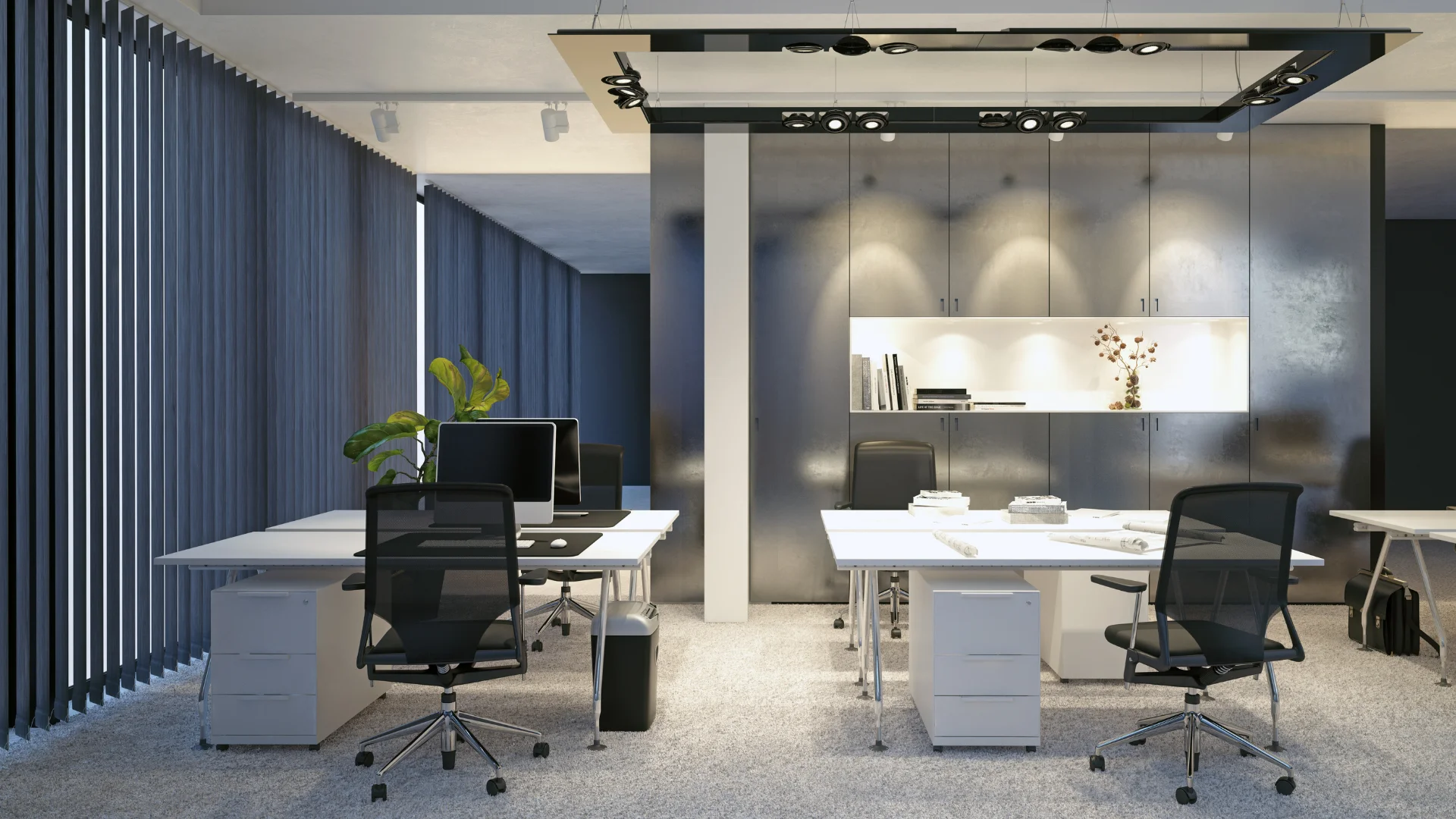
Creating a productive workplace requires more than selecting attractive furniture. Every design decision should support employee efficiency, collaboration, and long-term business goals.
Experienced Corporate Interior Designers in Chennai understand how to combine functionality, aesthetics, technology, and workplace psychology to create office environments that improve both employee performance and client perception.
Professional designers also help businesses optimize available space, reduce renovation mistakes, and create future-ready workplaces that adapt to changing business needs.
The demand for modern office environments in India is closely connected to changing business requirements, employee expectations, and workplace experience. Companies are increasingly investing in office interiors that support collaboration, flexibility, employee wellness, and brand identity.
According to a 2026 Indian commercial real estate survey, 65% of occupiers identified brand and culture-led design as a key priority for improving workplace experience. The survey also found that 50% prioritized accommodating hybrid work and 40% focused on holistic employee well-being. These figures highlight how office design is becoming an important part of business strategy rather than simply an aesthetic investment.
Conclusion
Creating a high-performance office environment requires thoughtful planning, employee-focused design, and a clear understanding of how workspaces influence productivity. From ergonomic furniture and flexible layouts to natural lighting, technology integration, and wellness-focused spaces, every design element contributes to a more efficient workplace.
As businesses continue evolving, offices must support collaboration, innovation, and employee satisfaction while reflecting the company’s identity. Investing in professional office design is not just about aesthetics—it is about creating an environment where people can perform at their highest potential.
Partnering with an experienced Interior Design Company in Chennai can help transform your office into a modern, functional, and inspiring workspace that supports long-term business success while delivering an exceptional experience for both employees and clients.