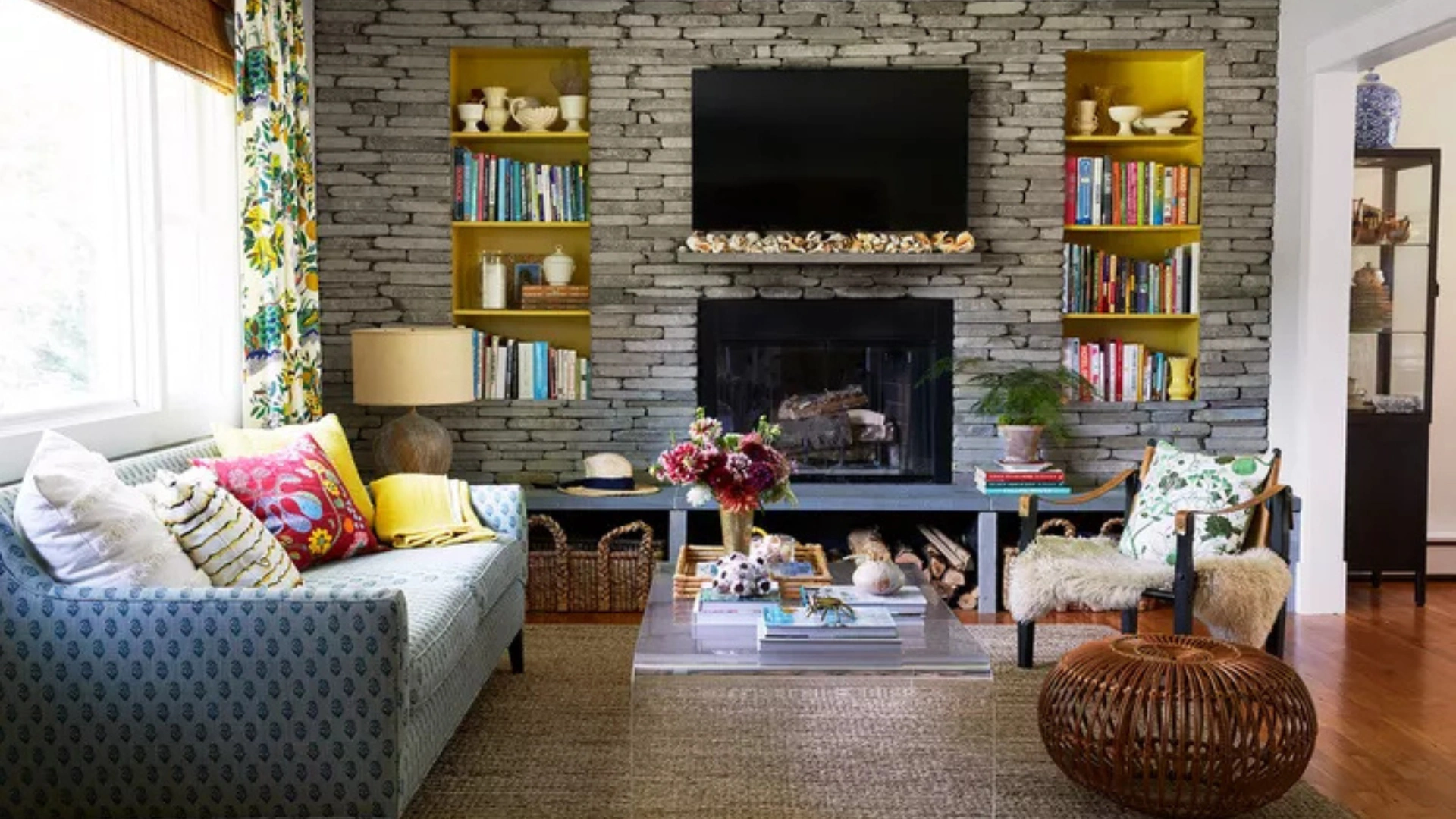
The world of interior design, often showcased through the lens of opulent mansions and high-fashion magazines, can feel like an exclusive club with a very expensive membership fee. It’s easy to believe that a beautifully designed, cohesive, and stylish home is a luxury reserved for those with deep pockets. This common misconception, however, overlooks a fundamental truth known to every seasoned design professional: a stunning interior is not the result of a limitless budget, but the product of boundless creativity, clever strategy, and a deep understanding of design psychology.
A limited budget is not a roadblock; it’s a creative catalyst. It forces a designer to be more resourceful, more innovative, and ultimately, more intelligent in their approach. Designers who specialize in affordable interiors have a unique and powerful playbook of tricks—a collection of high-impact, low-cost strategies that can make any space look more expensive, polished, and personalized than its budget would suggest. These aren’t about cutting corners or settling for less; they are about making smart, informed decisions that maximize every single rupee. They are about knowing that the true magic lies not in what you buy, but in how you use it. This specialized expertise is the hallmark of the best Low Budget Interior Designers in Chennai, who consistently prove that style and affordability can, and should, go hand in hand.
Creating an “Expensive” Canvas on a Dime
Before a single piece of furniture is chosen, a savvy designer focuses on the room’s “bones.” They know that if the foundational canvas is right, even the most affordable furnishings will look elevated. The two most powerful and cost-effective tools for this are paint and architectural detailing.
Beyond paint, designers add a layer of perceived value by faking architectural character. A plain, boxy room can be given a sense of history and gravitas with the simple addition of molding. Inexpensive trim from a hardware store can be used to create elegant picture frame molding on a feature wall, instantly adding a classic, high-end detail. Swapping out flimsy baseboards for taller, more substantial ones is another subtle upgrade that makes a room feel more custom-built. And one of the quickest, most impactful tricks is to upgrade hardware. Replacing the generic, builder-grade knobs and handles on kitchen cabinets, doors, and dressers with more substantial, stylish hardware is a small change that feels incredibly significant, making every piece look and feel more expensive.
Making Spaces Feel Grander and Brighter
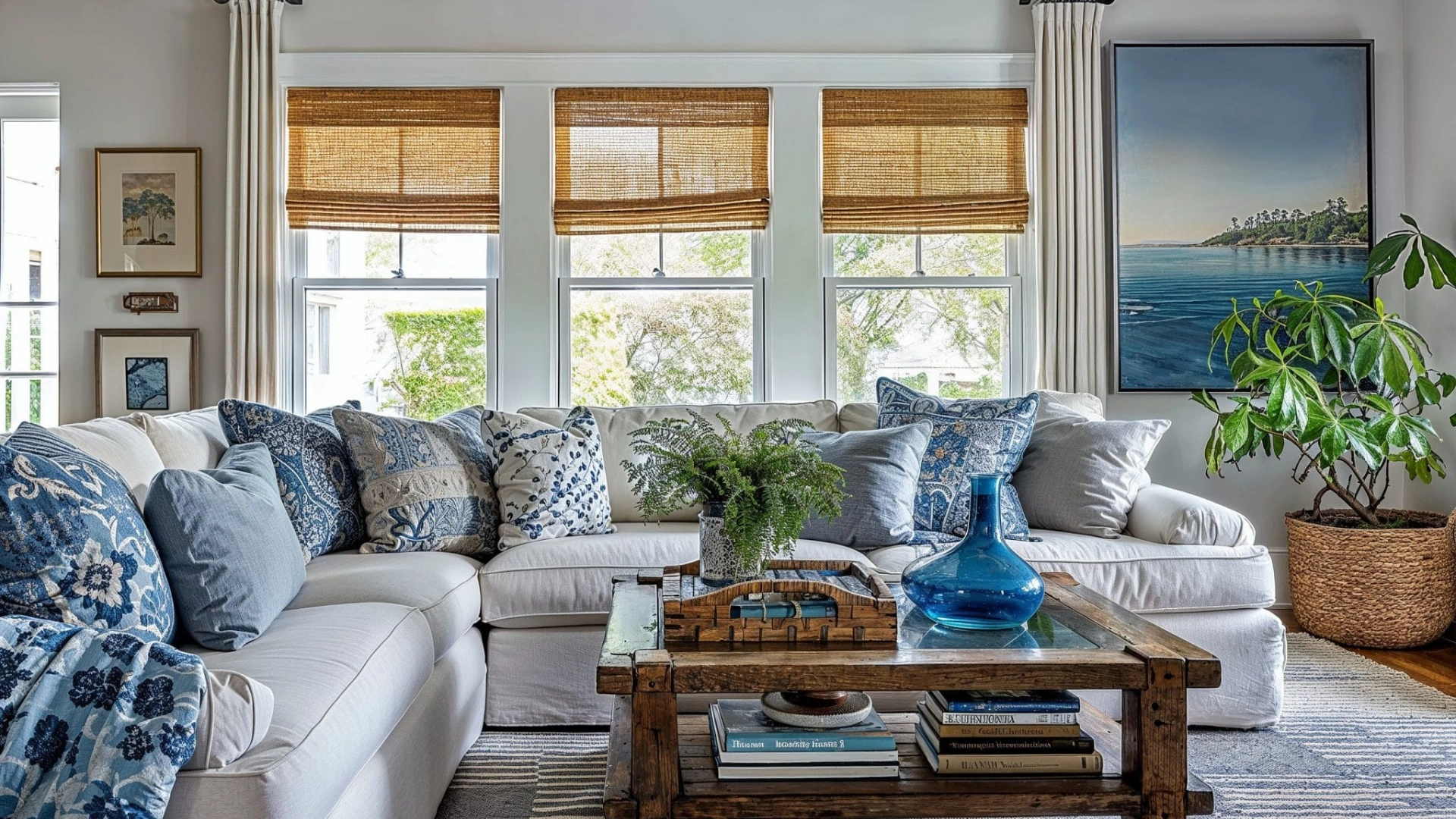
A key characteristic of a luxury space is a sense of openness, light, and generous proportion. While you can’t magically add square footage, a designer can use clever visual tricks to make a room feel significantly larger, brighter, and more impressive than it is.
The most classic tool in the illusionist’s kit is the mirror. Designers don’t just hang a small decorative mirror; they think big. A large, floor-length mirror leaned against a wall in a living room or at the end of a hallway can visually double the space and bounce light around the room, making it feel brighter and more dynamic. Placing a large mirror directly opposite a window is a pro move that maximizes its light-reflecting potential.
Window treatments are another area where a simple trick can have a monumental impact. The designer’s secret is to hang curtains “high and wide.” The curtain rod should be installed several inches above the window frame—as close to the ceiling as possible—and should extend 6-12 inches beyond the frame on either side. This technique draws the eye upward, creating an illusion of height, and makes the window itself appear much larger and more grand. Opting for simple, elegant fabrics like a linen-blend or cotton in a light, solid color provides a sophisticated look without the cost of heavy, custom drapery.
Scale is another critical element. Amateur decorators often make the mistake of using too many small items, which results in a cluttered, visually chaotic space. A designer knows that fewer, larger pieces make a stronger and more sophisticated statement. For instance, instead of a gallery wall of tiny, mismatched frames, they will opt for one single, oversized piece of art. This creates a powerful focal point and makes the room feel more curated and less busy. Similarly, using an area rug that is large enough for at least the front legs of all major furniture pieces to rest on it will make a room feel more grounded, cohesive, and expansive.
The Secret Art of Saving and Splurging
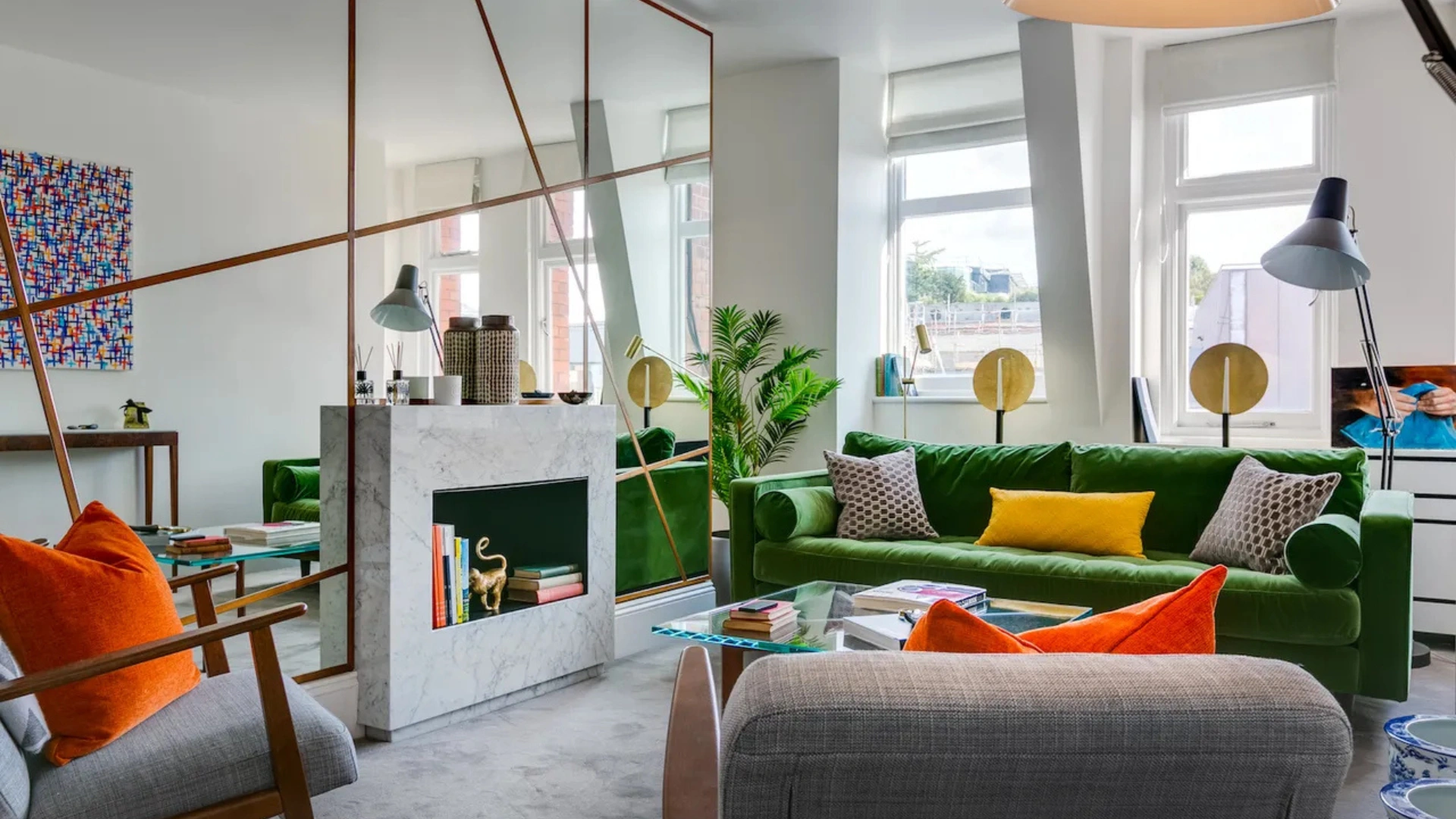
Perhaps the most defining skill of a budget-conscious designer is knowing where to allocate the money. They operate on a “high-low” philosophy, a masterful blend of investment pieces and brilliant bargains. This ensures the budget is spent on items that have the most functional and visual impact.
The “splurge” or “high” items are the workhorses of the room. This is typically the piece of furniture that gets the most daily use and has the biggest physical presence. In a living room, this is almost always the sofa. A designer will advise investing in the best quality, most comfortable sofa you can afford, as it will anchor the entire space and provide lasting value. Other potential splurge items might be a quality mattress or a key light fixture that serves as the room’s “jewelry.”
Once these hero pieces are in place, the designer surrounds them with stylish “save” or “low” items. This is where their sourcing expertise comes into play. They know that stylish side tables, chic cushions, decorative accessories, and even certain types of lamps can be found at incredibly affordable prices from high-street retailers, online marketplaces, or even thrift stores. They have a trained eye for spotting items with a “good shape” or “good bones” that might just need a coat of spray paint or new hardware to look like a million bucks. They also know that stunning, large-scale art can be sourced affordably through digital prints from online archives, which can then be custom-framed for a high-end look at a fraction of the cost of original art.
Also read: Can Low-Budget Interior Designers Deliver a Luxury Look?
Why a Designer is the Smartest Trick of All
It may seem paradoxical, but the single most effective trick for achieving a high-end look on a low budget is to hire a professional designer. Their fee is not an added expense; it’s an investment that can save you a fortune in the long run and guarantee a superior result.
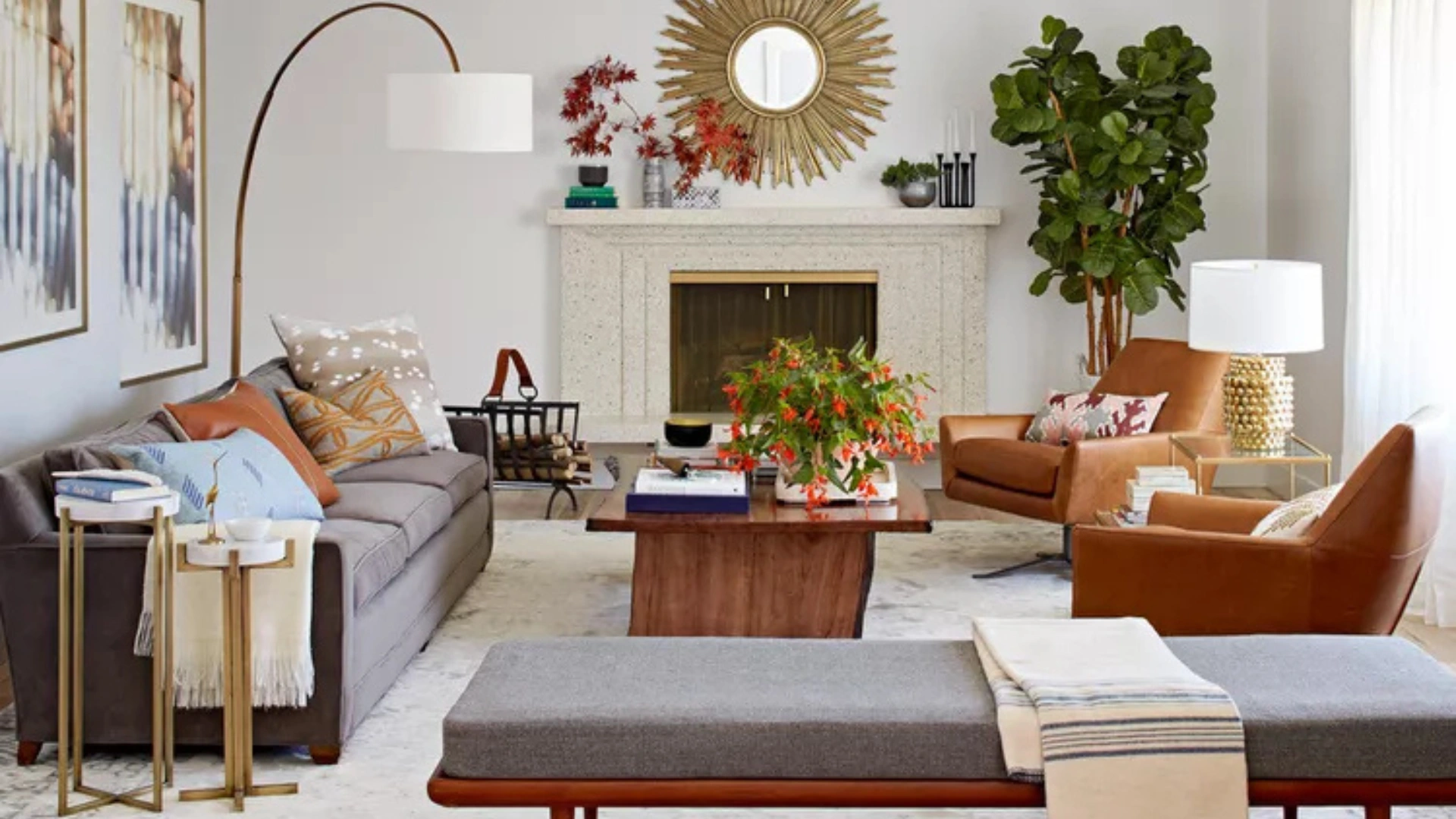
The most immediate financial benefit comes from a designer’s access to trade discounts. They can purchase furniture, lighting, fabric, and materials at prices that are not available to the general public, and these savings can often significantly offset their fees. Furthermore, their greatest value lies in preventing costly mistakes. A designer creates a meticulous plan, ensuring you don’t buy a sofa that’s too big, a rug that’s too small, or a paint color that clashes with your floors. These amateur mistakes are expensive and frustrating to correct.
Beyond the financials, a designer brings the most crucial element: a cohesive vision. The ultimate trick to a luxurious-looking home is that everything feels like it belongs together. There is a harmonious flow of color, texture, and style that creates a polished and intentional look. This is what separates a professionally designed space from one that is merely decorated. The Best Interior Designer in Chennai is a master of this art. They take all these individual tricks—the clever use of paint, the strategic placement of mirrors, the high-low mix—and weave them together into a single, beautiful narrative that is perfectly tailored to you.
A limited budget is not a limitation on style. It is an invitation to be more creative, more thoughtful, and more strategic. By employing these smart design tricks, you can create a home that is a true testament to the fact that elegance is a matter of skill, not of spending. It’s a space that doesn’t just look good; it feels smart.