Embarking on the journey to transform your house into a dream home is one of the most exciting projects you can undertake. The decision to hire a professional interior designer is a pivotal first step—a commitment to moving beyond amateur decorating and investing in a cohesive, functional, and truly beautiful living space. An interior designer is more than just a decorator; they are a trained professional who acts as your visionary, project manager, and expert guide, turning your abstract ideas into a tangible, breathtaking reality. However, this excitement is often tempered by a daunting challenge: in a sea of talented professionals, how do you find the one who is the perfect fit for you?
Finding the right interior designer is akin to choosing a business partner for a deeply personal venture. It requires a blend of shared aesthetic vision, mutual respect, clear communication, and unwavering trust. The right designer will not only understand your style but also elevate it, not only respect your budget but also maximize it, and not only manage your project but also make the entire process enjoyable and stress-free. The process of finding this ideal partner can feel overwhelming, but it doesn’t have to be. With a structured approach, a clear understanding of your own needs, and a set of insightful questions, you can confidently navigate the search and discover the best local designer to bring your vision to life.
Define Your Vision and Needs
Before you can find the right designer, you must first have a clear conversation with yourself. A designer is a creative professional, not a mind reader. The more clarity you have about your own goals, the more successful the partnership will be. This foundational phase involves three critical components:
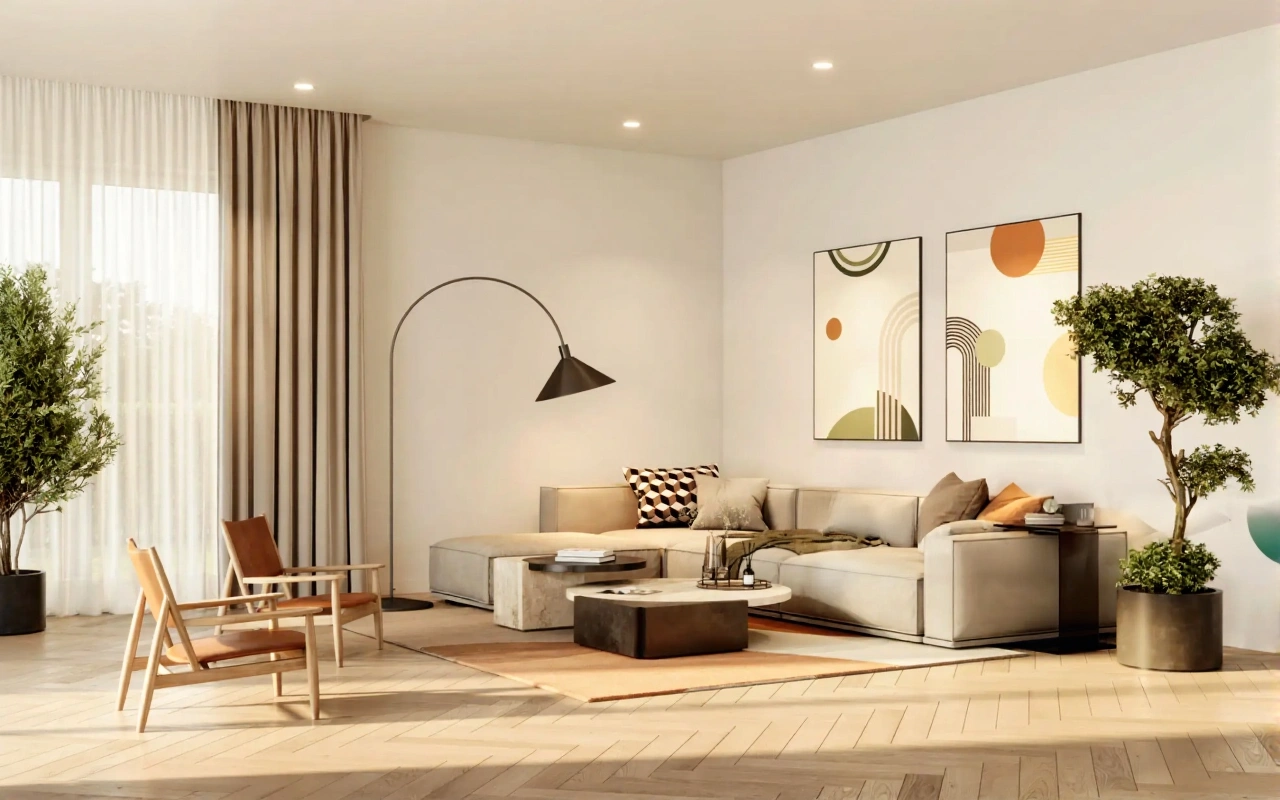
- Define Your Aesthetic Style: You don’t need to know the technical jargon, but you do need a sense of what you love. Start by gathering inspiration. Create a mood board—Pinterest and Instagram are invaluable tools for this. Save images of rooms, color palettes, furniture styles, and even feelings or textures that resonate with you. Don’t overthink it; just collect what you’re drawn to. After a while, you’ll start to see patterns emerge. Are you drawn to clean lines and neutral colors (Minimalist/Modern)? Or perhaps rich textures, plants, and a more eclectic mix (Bohemian)? This visual portfolio will become the single most important tool for communicating your vision to potential designers.
- Determine the Scope of Your Project: Be specific about what you need. Is this a simple decorative refresh for a single room, involving new furniture, paint, and accessories? Or is it a full-scale gut renovation of your kitchen and bathrooms, requiring structural changes, plumbing, and electrical work? Do you need someone for design consultation and a concept plan, or do you require full-service project management, where the designer handles everything from hiring contractors to overseeing installation? A clear scope helps you find a designer with the right skill set and service offerings.
- Establish a Realistic Budget: This is the most crucial, and often most difficult, part of the process. Be honest and realistic about what you are willing and able to spend. Your total budget should be comprehensive, accounting for the designer’s fees, furniture, materials (flooring, paint, tiles), labor costs for contractors, shipping and delivery charges, and a vital contingency fund of at least 10-20% for unexpected issues that inevitably arise. A professional designer is adept at working within a set budget, but they need a clear number to guide their creative solutions and sourcing.
The Search for Local Talent
With your vision, scope, and budget in hand, you can now begin your search. While it’s tempting to look at famous designers from around the country, starting your search locally offers immense practical advantages. A local designer will have an established network of reliable local contractors, artisans, and suppliers. They will be familiar with regional building codes and styles, and they can be physically present on-site to supervise the project, which is critical for quality control.
Begin with a targeted online search. Use specific, location-based keywords to narrow the field. For instance, if you reside in a particular Chennai suburb, a search for Interior Designers in Pallikaranai will yield a list of professionals who are not only geographically close but are also likely experienced with the types of properties and local vendors in that specific area. This level of specificity is key. Look for design firms with a strong local presence and a portfolio that showcases work in your neighborhood. Beyond Google, platforms like Houzz and the architectural sections of local magazines are excellent resources for discovering local talent. And never underestimate the power of a personal recommendation. Ask friends, family, or real estate agents for referrals—a firsthand account of a positive experience is invaluable.

Separating the Good from the Great
Once you have a shortlist of 3-5 potential designers, it’s time to do your homework. This due diligence phase is about looking beyond the surface and truly evaluating each candidate’s professional capabilities and style.
- Dive Deep into Portfolios: A designer’s portfolio is their visual resume. Scrutinize it carefully. Don’t just look for pretty pictures; look for consistency, quality, and versatility. Does their work align with the aesthetic you defined in your mood board? Look for projects that are similar in scope to yours. If you’re planning a small apartment makeover, a designer who only showcases sprawling bungalows may not be the right fit. Pay close attention to the “before and after” photos, as they are a true testament to the designer’s transformative skill.
- Read Reviews and Testimonials: What are past clients saying? Look for detailed reviews on their website, Google business profile, and other third-party platforms. Pay attention to comments about their communication style, professionalism, budget management, and problem-solving abilities. A string of glowing reviews about a designer’s creativity and collaborative spirit is a very positive sign.
Finding the Right Personal Chemistry
This is arguably the most important step. You will be working closely with this individual for months, sharing your home and trusting them with significant financial decisions. A personality and communication style that meshes well with your own is non-negotiable. Schedule an initial consultation with your top 2-3 candidates.
Come to this meeting prepared. Bring your mood board, your list of requirements, and your budget information. Most importantly, bring a list of questions. Inquire about their design process from start to finish. Ask how they handle client communication and project updates. Discuss their fee structure in detail is it a flat fee, an hourly rate, or a percentage of the total project cost? A transparent and clear discussion about fees is essential to avoid misunderstandings later.
During this conversation, gauge their reaction to your ideas. Do they seem genuinely excited by your vision? Do they listen intently and ask thoughtful questions, or do they seem more interested in imposing their own signature style? The ideal designer will be a collaborative partner who listens, guides, and elevates your ideas, not one who steamrolls them. Trust your intuition. A designer can have the most beautiful portfolio in the world, but if you don’t feel a comfortable rapport during the initial meeting, they are not the right choice for you.
Also read: Need a Smart Interior Plan for Your Chennai Flat?
Contracts, References, and Confidence
After the interviews, you should have a clear favorite. Before you make the final commitment, there are two last crucial steps. First, ask your preferred designer for references from one or two recent clients, and be sure to call them. Ask about their overall experience, whether the project was completed on time and on budget, and how the designer handled any challenges that arose. This step provides an unfiltered look into what it’s truly like to work with them.
Second, carefully review the contract or letter of agreement. This legally binding document should clearly outline the full scope of work, a projected timeline, a detailed breakdown of the fee structure and payment schedule, and procedures for handling changes or additional requests. A professional and experienced designer will always provide a comprehensive contract. Ensure you understand every clause before signing.
Ultimately, your goal is to find the Best Interior Designer in Chennai who is the best fit for you. This meticulous selection process ensures that you are not just hiring a contractor, but are onboarding a creative partner who will guide you, inspire you, and advocate for you every step of the way. The time and effort invested in finding the right professional will be repaid a hundredfold in the peace of mind you’ll experience during the process and the profound joy you’ll feel living in a home that is a perfect reflection of you.