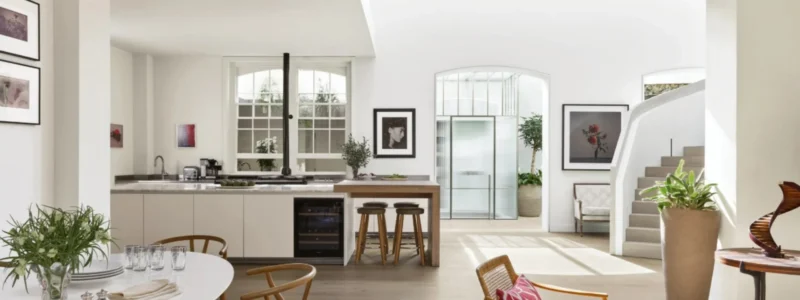
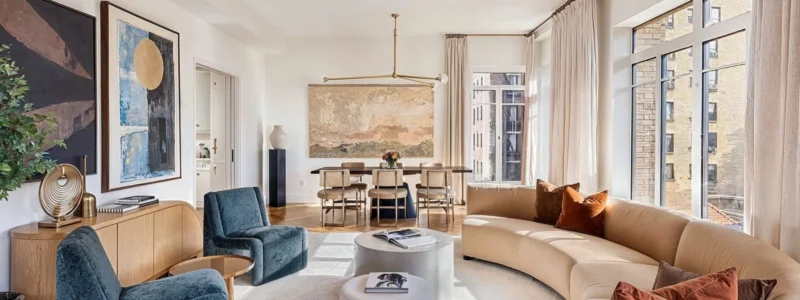
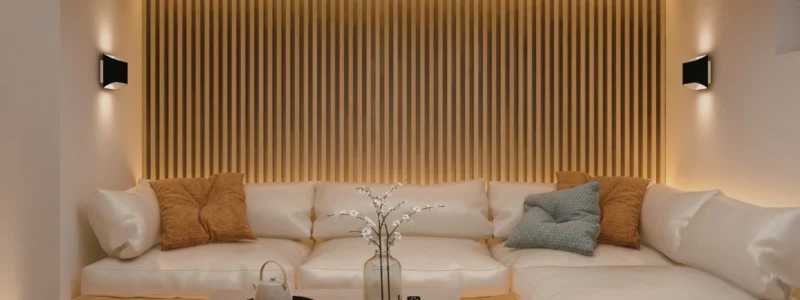
Many people believe that creating a luxurious home requires a huge budget. However, smart planning, creative ideas, and suitable materials can transform any home affordably. Luxury is not always about expensive furniture or premium décor. It is about creating a space that feels elegant, comfortable, functional, and well-organized.
Today, homeowners seek affordable interior solutions that combine style, functionality, and durability. Many Interior Designers in Madipakkam focus on creating beautiful interiors for different budgets without compromising quality. Simple choices, including better lighting, attractive finishes, and thoughtful furniture placement, can make ordinary spaces look sophisticated.
1. Start with a Clear Budget Plan
A luxurious home begins with careful financial planning. Before purchasing furniture or decorative accessories, determine how much you can comfortably spend. Divide your budget into categories, including furniture, lighting, painting, storage, flooring, and accessories.
Prioritise Essential Expenses
Compare prices, request quotations, and maintain a contingency fund for unexpected expenses. Prioritise improvements that deliver the greatest visual impact. A clear budget helps prevent unnecessary purchases while ensuring your money supports both functionality and attractive design.
2. Choose a Neutral Colour Palette
Neutral colours make interiors appear elegant, spacious, and timeless. Popular choices include white, beige, cream, light grey, and soft brown. These shades complement different furniture styles and create a calming atmosphere.
Create a Balanced Colour Scheme
Introduce personality through colourful cushions, artwork, rugs, and indoor plants. Using two or three complementary shades throughout connected spaces creates visual harmony. Neutral backgrounds also make future decorating changes easier and more affordable.
3. Invest in Good Lighting
Lighting significantly influences how luxurious a home looks and feels. Instead of relying on one ceiling light, combine pendant lights, wall lights, LED strip lighting, floor lamps, and table lamps.
Layer Your Lighting
Use ambient lighting for general illumination, task lighting for reading and cooking, and accent lighting to highlight artwork or architectural features. Warm lighting creates a welcoming atmosphere in living rooms and bedrooms. Energy-efficient LED fittings can also help reduce electricity consumption.
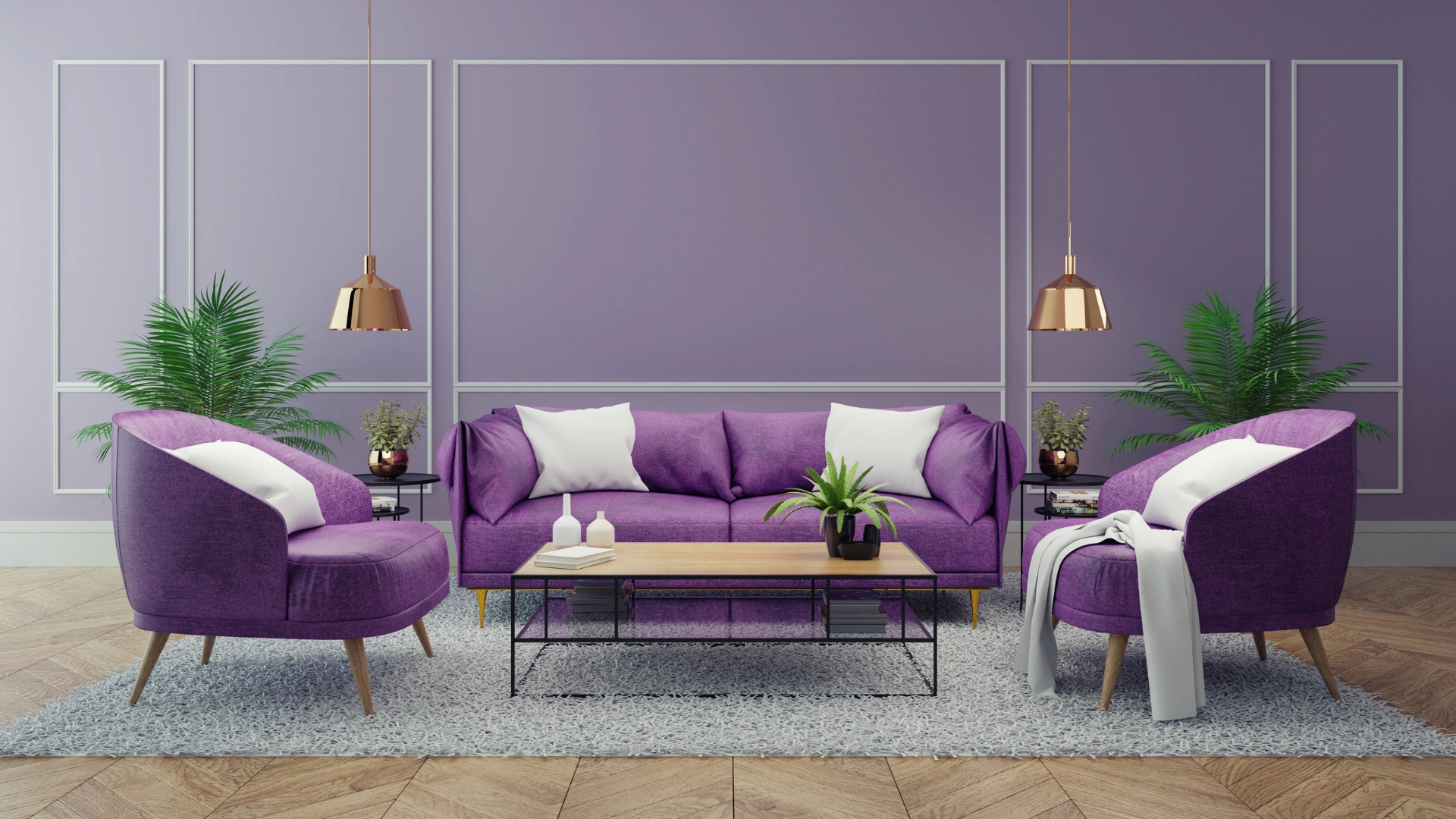
4. Use Mirrors to Create More Space
Mirrors offer an affordable way to make rooms appear larger and brighter. They reflect available light and introduce visual depth, particularly in compact apartments and narrow hallways.
Position Mirrors Strategically
Place mirrors opposite windows, near dining areas, or along suitable living room walls. Choose simple frames that complement your interior style. Secure installation and thoughtful positioning ensure mirrors enhance the space without creating unnecessary visual clutter.
5. Choose Multi-Functional Furniture
Multi-functional furniture combines practicality with attractive design. It is especially useful in apartments where available floor space must accommodate several activities.
Consider storage beds, sofa-cum-beds, foldable dining tables, storage ottomans, and modular shelves. These pieces provide additional storage, improve flexibility, and reduce the need for separate furniture purchases.
Choose appropriately sized designs that allow comfortable movement. Versatile furniture helps maintain a clean, modern appearance while making better use of your budget.
6. Upgrade Soft Furnishings
Soft furnishings can transform a room without major renovation work. Curtains, cushions, rugs, bedsheets, and throws introduce texture and make interiors feel coordinated.
Choose durable fabrics in neutral or earthy colours. Floor-length curtains, textured cushions, and coordinated bedsheets can create a polished appearance. Replacing a few worn textiles is often more affordable than purchasing an entirely new furniture set.
7. Declutter Your Space
A luxurious home usually feels organised, spacious, and comfortable. Too many visible objects can make even expensive interiors appear untidy.
Keep coffee tables, television units, shelves, and dining tables free from unnecessary items. Store everyday belongings in baskets, cabinets, or concealed compartments.
Maintain an Organised Layout
Arrange furniture to preserve clear walking paths and avoid blocking windows. Display only a few decorative pieces together. Regular decluttering allows existing design features to stand out and creates a sophisticated appearance without additional spending.
Also Read: Can Apartment Interiors Be Both Elegant and Affordable?
8. Add Indoor Plants
Indoor plants introduce natural colour, freshness, and texture to residential interiors. Popular choices include snake plants, money plants, peace lilies, areca palms, and ZZ plants.
Select plants according to available daylight and maintenance requirements. Place them near suitable windows, in empty corners, or beside seating areas. Attractive planters can enhance their appearance and complement your existing décor.
9. Create a Feature Wall
A feature wall introduces visual interest without decorating every wall. It can become the focal point of a living room, bedroom, or dining area.
Choose Affordable Wall Finishes
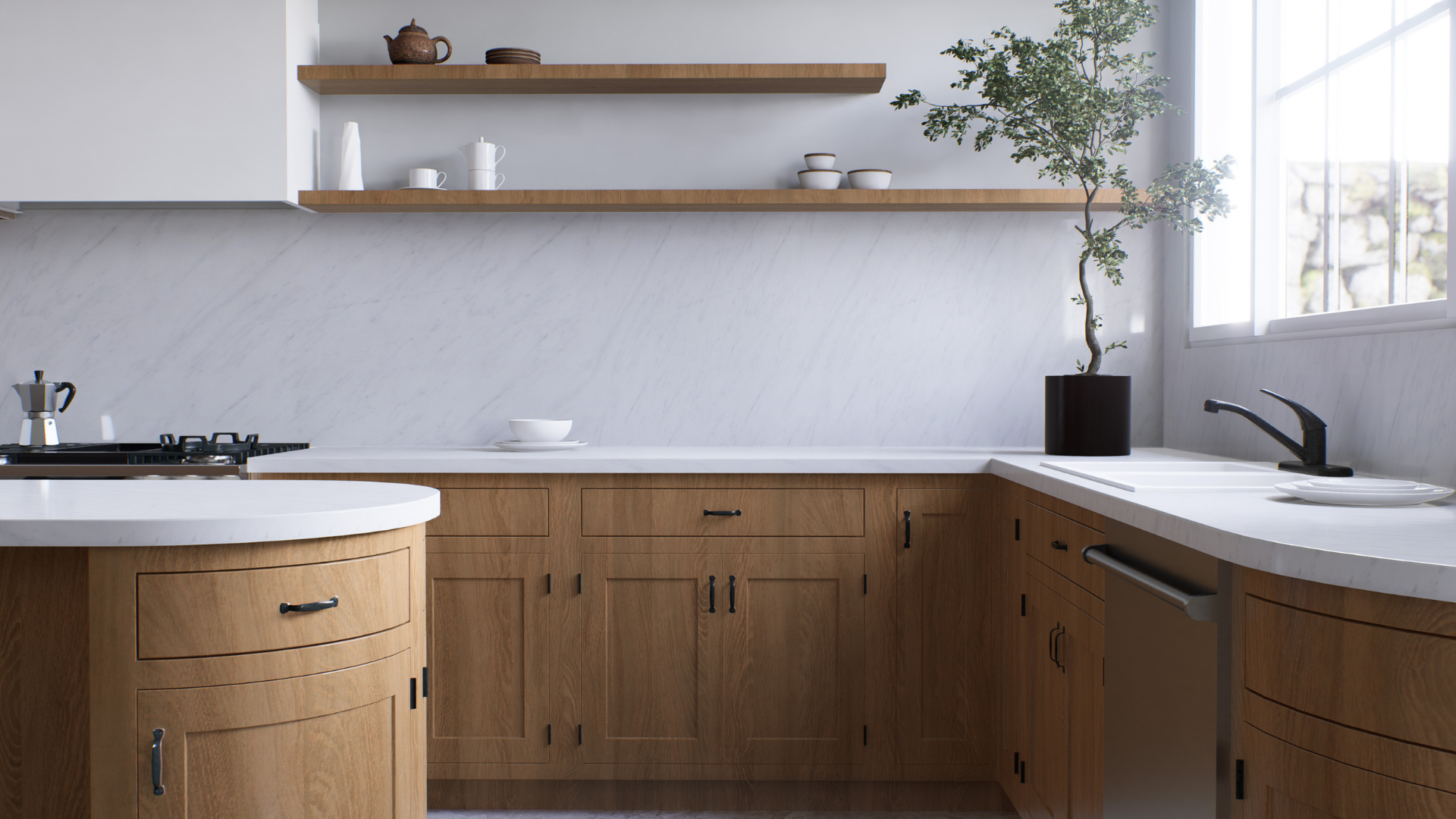
Consider textured paint, wallpaper, wooden panels, stone finishes, or decorative mouldings. For a budget-friendly approach, use a contrasting paint colour or a simple geometric pattern. Coordinate the finish with existing furniture and lighting to achieve a sophisticated look without a complete renovation.
10. Upgrade Cabinet Handles and Hardware
Small hardware changes can noticeably improve kitchens, wardrobes, and bathrooms. Replacing outdated handles and drawer knobs is generally more affordable than replacing entire cabinets.
Popular finishes include matte black, brushed gold, satin nickel, and antique brass. Choose hardware that complements your cabinet colours. Check dimensions and fixing positions before purchasing replacements to avoid unnecessary drilling or labour costs.
11. Select Quality Instead of Quantity
Luxury does not require filling every corner with decorative objects. A carefully selected collection of attractive accessories often creates a more sophisticated appearance than numerous inexpensive purchases.
Consider elegant artwork, stylish mirrors, designer-style lamps, or decorative vases. One large artwork may look more balanced than several unrelated pictures. Spend selectively on visible elements that influence the overall design, and reuse accessories you already own.
12. Use Modular Storage Solutions
Effective storage supports both functionality and appearance. Consider built-in wardrobes, floating shelves, television storage units, kitchen organisers, and overhead cabinets.
Plan storage according to your household’s actual needs. Vertical storage can maximise compact rooms, while concealed compartments keep everyday belongings out of sight. Coordinated finishes and practical layouts help maintain an organised, contemporary home without unnecessary renovation expenses.
13. Focus on Elegant Flooring
Replacing flooring can be expensive, particularly when demolition and installation are involved. However, wooden-finish tiles, vinyl flooring, laminate flooring, and large-format ceramic tiles offer attractive alternatives at different price points.
Compare installation costs, durability, maintenance requirements, and suitability for each room. Moisture-prone areas require appropriate water-resistant materials. If existing flooring remains in good condition, thorough cleaning and minor repairs may be sufficient to refresh the space.
14. Personalise Your Space
A luxurious home should reflect the people who live in it. Personal touches create warmth and make interiors distinctive.
Display family photographs, travel souvenirs, handmade artwork, books, or decorative sculptures. Arrange these objects thoughtfully, grouping complementary colours and materials together. Repurposing existing belongings and incorporating handmade decorations can create a welcoming home without requiring expensive purchases.

15. Hire the Right Interior Designer
Experienced professionals can help homeowners manage expenses, plan layouts, and avoid costly mistakes. Designers can recommend suitable materials, optimise storage, coordinate finishes, and organise installation requirements.
When comparing professionals, request detailed quotations, material specifications, project timelines, and clear information about package inclusions. Confirm payment schedules and additional costs before work begins.
Many homeowners consider Interior Designers in Madipakkam for customised solutions suited to their requirements. If you are searching for Budget Friendly Interior Designers In Chennai, choose a team experienced in creating stylish interiors within realistic budgets. Professional guidance can help you prioritise essential improvements and achieve better value.
Recent Indian industry reports highlight the growing importance of thoughtfully designed residential spaces. According to a September 2025 report, India’s home interiors market was valued at approximately $12.33 billion and was projected to reach $24.52 billion by 2030, representing an estimated annual growth rate of around 12%. The findings also highlighted increasing demand for personalised, functional interiors. These figures demonstrate why homeowners increasingly value practical design choices alongside visual appeal.
Conclusion
Creating a luxurious home does not always require a large investment. Smart planning, suitable materials, organised layouts, and attention to detail can transform ordinary spaces into elegant living environments. Improvements such as layered lighting, neutral colours, attractive furnishings, and practical storage can deliver noticeable results without unnecessary expenses.
As Indian homeowners increasingly explore personalised interiors, affordable design solutions provide opportunities to balance appearance and functionality. Plan your priorities carefully, compare costs, and seek professional advice when necessary. With thoughtful decisions, you can create a beautiful home that reflects your personality, supports everyday living, and delivers lasting value while staying within your budget.