Turning a plain house into a showpiece is less about magic and more about method. Designers combine strategy, craft, and taste to transform everyday spaces into memorable, highly livable interiors. Whether you’re renovating a compact city flat or reimagining a villa, the principles below explain how professionals create spaces that look effortless yet feel meticulously planned. If you’re in Chennai or another Indian city, these ideas also reflect practical local needs—climate, culture, and the balance between indoor/outdoor living.
Start with a clear concept
Every successful design begins with a strong concept—a unifying idea that guides choices for layout, materials, finishes, and furniture. The concept can be a style (modern minimalism, tropical contemporary), a palette (muted earth tones with brass accents), or a narrative (a home inspired by coastal life). A clear concept prevents visual clutter and ensures every element contributes to the whole.
When people search for top interior designers in chennai for homes, they’re often looking for professionals who can craft a coherent concept tailored to local lifestyles: durable finishes for humid weather, terraces and balconies that blur the boundary with outdoors, and efficient cross-ventilation strategies. The concept should also align with how the family actually lives—so designers spend time on user interviews and observation before sketching plans.
Prioritize spatial choreography and flow
A showpiece home feels intuitive to move through. Designers map circulation routes, sightlines, and focal points to create a narrative journey through the house. This can be as simple as positioning the sofa to capture a garden view or as involved as opening up sightlines between kitchen, dining, and outdoor areas to create a social loop.
Space planning also includes zoning: quiet zones for rest, active zones for cooking and entertainment, and transition zones like foyers that set the tone. Good zoning optimizes privacy without sacrificing connectedness—particularly useful in Indian homes where extended family and guests are frequent.
Read Also: Wall Decor Ideas to Instantly Refresh Your Living Space
Light makes the mood
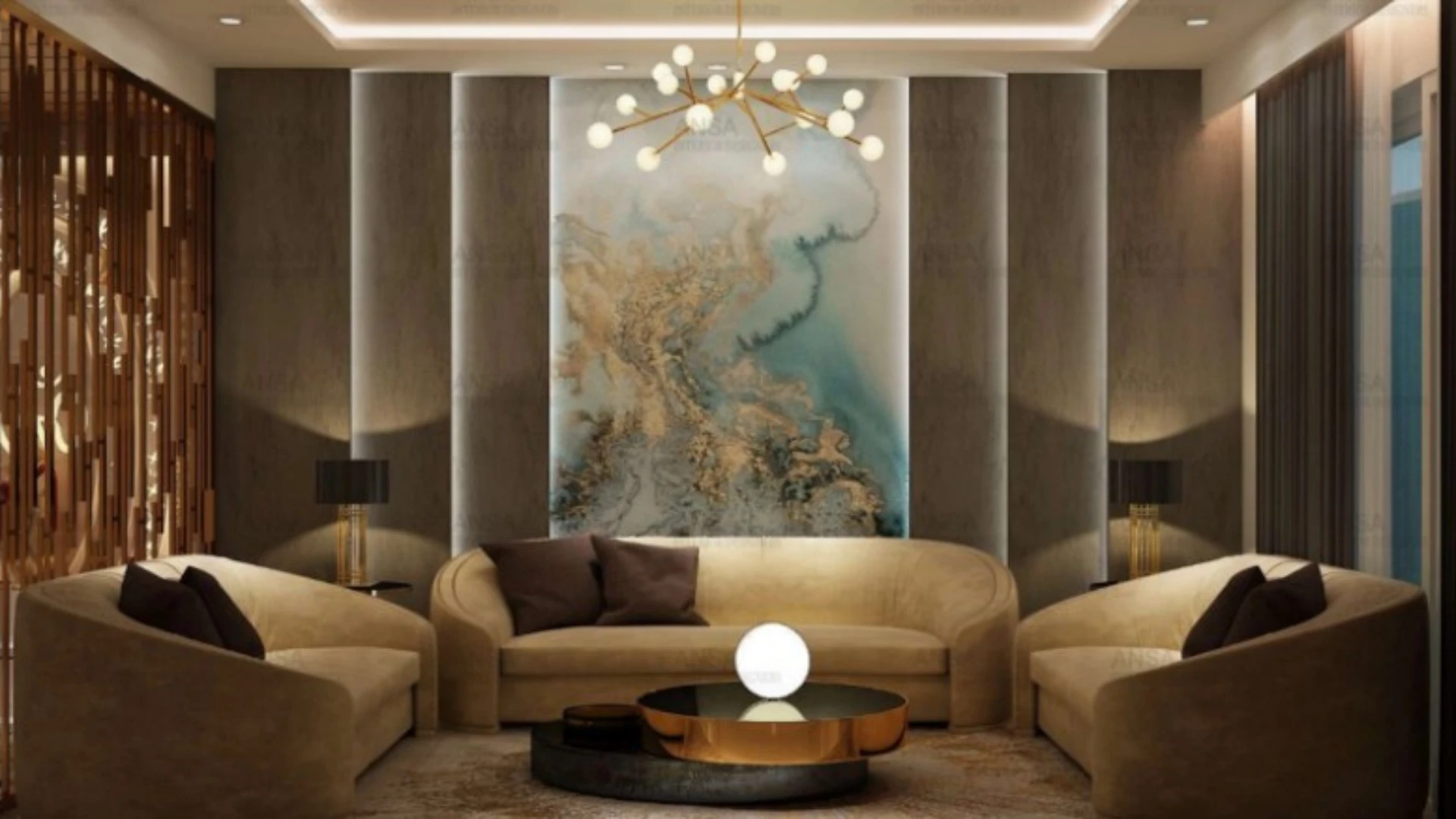
Lighting is the single most transformative element. Layered lighting—ambient, task, and accent—creates depth and allows rooms to shift mood from functional daylight to intimate evening warmth. Natural light should be harnessed first: windows, skylights, and reflective surfaces amplify daylight and reduce the need for artificial lighting.
Accent lighting highlights architectural features and curated objects—think a pendant over the dining table, wall washers for textured surfaces, or LED strips under floating shelves. Designers also use dimmers and smart controls to fine-tune scenes, so a single room can be bright for chores and soft for dinner parties.
Materiality and texture: tell a tactile story
High-end finishes are not always expensive finishes. It’s the mix of materials—matte plaster, warm timber, natural stone, soft fabrics—that gives a space tactile richness. Designers layer textures to prevent monotony: smooth lacquered cabinets paired with raw timber shelves; velvet cushions against linen curtains; a polished concrete floor softened by handwoven rugs.
Selecting durable, climate-appropriate materials is essential in Chennai’s humid conditions. Porcelain tiles, engineered woods with proper sealing, and breathable fabrics keep interiors looking fresh and performing well over time.
Furniture and custom joinery: balance mass and finesse
Furniture anchors rooms. Scale, proportion, and placement make furniture either support or sabotage a design. Designers often mix bespoke pieces with well-chosen standard items to achieve both uniqueness and practicality. Custom joinery—built-in wardrobes, floating media consoles, integrated storage—allows designers to tailor solutions to awkward niches, reduce visual clutter, and maximize usable space.
In smaller homes, multifunctional furniture (like a dining table that doubles as a work surface) and clever storage keep the interior feeling open and purposeful. In larger homes, statement furniture pieces create the wow factor: a sculptural sofa, a dramatic chandelier, or a bespoke dining table.
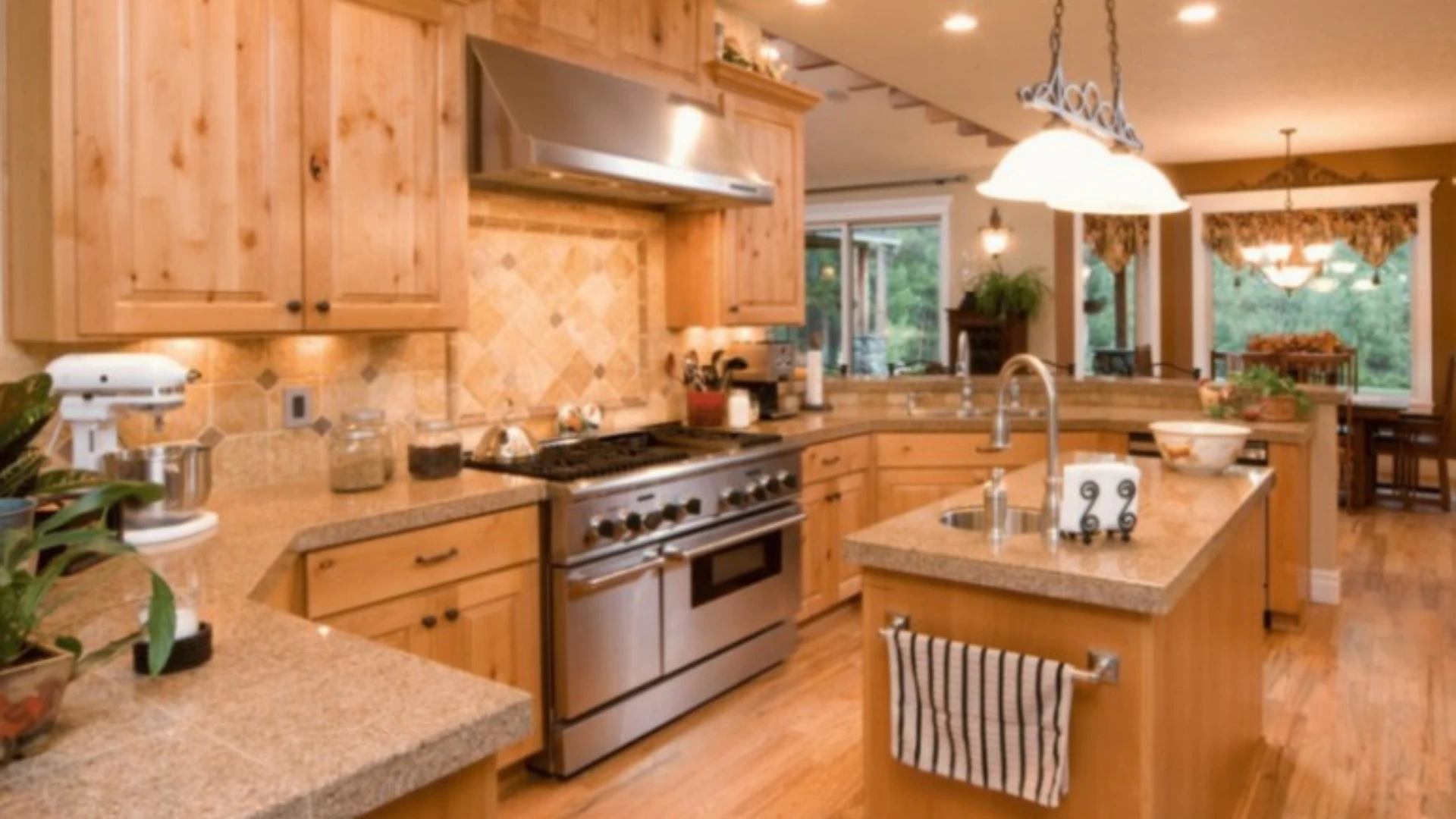
Colour strategy: restraint breeds elegance
Colour can energize or calm. Showpiece homes often use a restrained palette with one or two accent colors to create cohesion. Neutral backgrounds—soft whites, warm greys, muted terracotta—allow furnishings and art to shine. Accent colours should be repeated in small doses throughout the home (in cushions, ceramics, or a painted alcove) to unify the composition.
Designers also use colour to define zones. A deep hue in a study signals focus; a fresh, light palette in a living area invites socializing. Strategic use of contrast—dark joinery against light walls, or vice versa—adds visual drama without overwhelming the senses.
Art, accessories, and the curated edit
Accessories complete a showpiece. The difference between styled and staged lies in curation. Designers edit possessions down to what matters: a few meaningful objects, sculptural lamps, layered textiles, and well-chosen books. Art anchors the personality of the home; appropriately scaled artworks—whether original paintings, framed prints, or a gallery wall—create focal points and conversation starters.
Plants and living elements add life and improve microclimate control. In Chennai, indigenous plants and low-maintenance indoor gardens provide greenery without excessive maintenance.
The role of finishes and detailing
Details—joints, hardware, grout lines, edge profiles—signal quality. Clean detailing elevates even modest budgets. Thoughtful hardware, concealed hinges, and consistent trim profiles create a refined look. Similarly, consistent ceiling heights, aligned door heads, and coordinated switchgear contribute to a sense of thoughtful design.
Technology and comfort
Integrating technology discreetly enhances comfort. HVAC systems, automated lighting, motorized blinds, and hidden audio systems improve usability without detracting from aesthetics. Designers plan for these systems early so ducts, wiring, and conduits are integrated rather than retrofitted.
Sustainability is also part of modern showpieces: efficient lighting, water-saving fixtures, solar-ready layouts, and locally sourced materials reduce long-term operating costs and environmental impact.
Budgeting and procurement: getting the look without overspend
Turning a house into a showpiece requires disciplined budgeting and procurement. Designers prioritize visible areas—entry, living, master bedroom—and allocate greater resources there, while using cost-effective solutions in secondary spaces. Phased execution helps spread cost over time.
Skilled designers maintain vendor relationships that secure quality products at better rates and manage lead times so the project stays on schedule. Transparent cost breakdowns and contingency planning prevent surprises that derail the vision.
Styling for staging and everyday life
Styling for photographs and styling for living are different. Showrooms and magazine homes are often perfectly staged; a liveable showpiece must reconcile aesthetics with daily wear and tear. Designers accomplish this by choosing resilient fabrics, washable finishes, and durable upholstery, while still creating striking visuals through texture, layered lighting, and focal pieces.
If you’re preparing to sell, designers know how to stage a home to highlight spatial potential without personal clutter—neutralized decor, decluttered surfaces, and inviting vignettes.
Bringing local context into design
Great design respects place. In Chennai, that means accounting for monsoon winds, seasonal heat, and a culture of hospitality. Courtyards and verandahs, jalousie windows, and shaded terraces are regional responses that also become signature design gestures. Designers incorporate local crafts—handloom fabrics, traditional wood carving, and regional ceramics—to root a home in its cultural context while keeping the overall language contemporary.
When to hire a professional
DIY tweaks can help, but a coherent showpiece typically requires professional input. A designer coordinates the concept, oversees contractors, manages procurement, and ensures technical compliance. If you want the assurance of a seamless transformation with optimized cost and time, working with established professionals is the practical route.
If you’re evaluating talent, look at portfolios, ask for references, and review completed works in person where possible. For clients who want local expertise and sensitivity to regional climate and culture, searching for top interior designers in chennai will narrow the field to firms experienced in balancing aesthetics with practical performance.
Final thought: design is an intentional collaboration
Turning an ordinary home into a showpiece is a collaborative process between client and designer. The best outcomes come from designers who listen—who translate lifestyle, memories, and practical needs into spatial poetry. A showpiece is not about excess; it’s about intention: every material, joinery, light source, and object has a reason to be there.
If your goal is a home that reads like a magazine spread but functions as a comfortable, durable living space, engage a professional who balances imagination with technical rigor. For many homeowners, working with the best interior designer in Chennai is the most efficient path to an interior that impresses, endures, and truly feels like home.